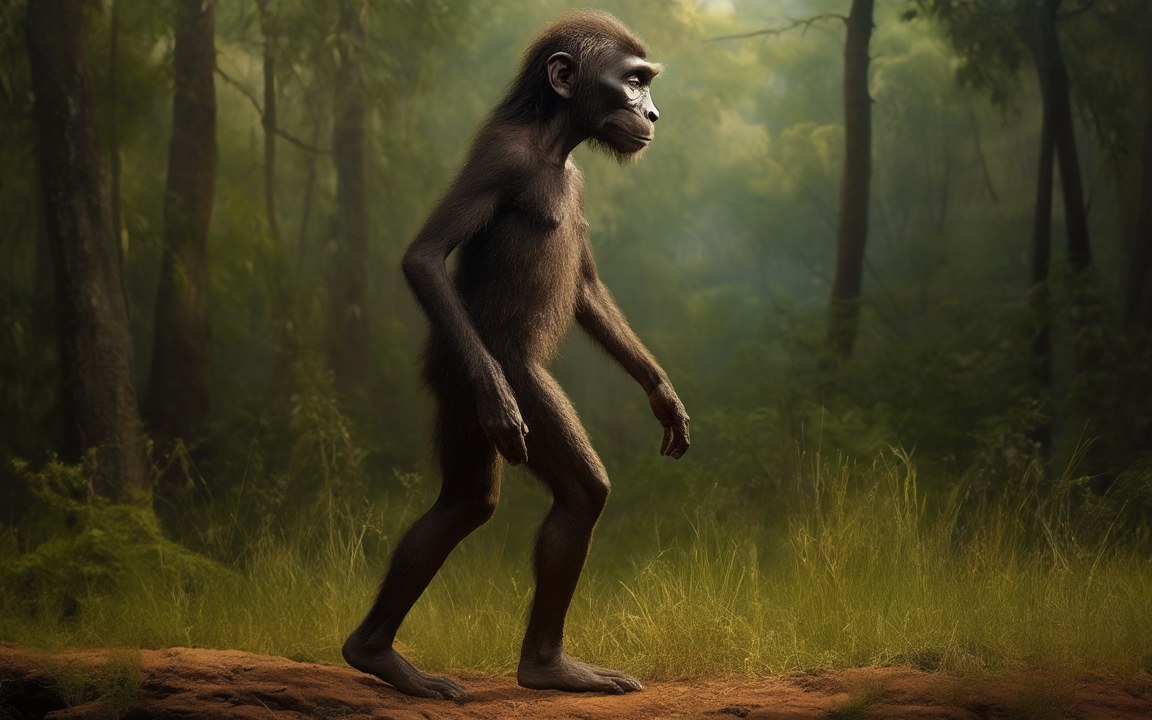
Sahelanthropus tchadensis is known mainly from one crushed skull, found in 2001 in the Djurab Desert of northern Chad and nicknamed Toumaï. It is about 7 million years old, from close to the time when the line leading to humans split from the one leading to chimpanzees, roughly 6 to 8 million years ago. Its discoverers see it as the oldest known member of the human family. Whether it belongs there, and whether it walked on two legs, are among the most disputed questions about our origins.
Toumaï, “hope of life”
The skull was found on 19 July 2001 at Toros-Menalla by four members of a French and Chadian team led by Brunet: Djimdoumalbaye, Gongdibé, Adoum and Beauvilain. Brunet and colleagues named the species in 2002, the genus after the Sahel and the species after Chad. Chad’s then-president gave the skull its nickname, which means “hope of life” in the Daza language. Later finds of jaws and teeth bring the total to six to nine adults.
The skull is nearly complete but badly crushed, and was rebuilt from scans in 2005. It mixes features seen in living great apes with features of later human relatives. Its brain, about 378 cm³, is the size of a chimpanzee’s, its braincase is long and its brow ridge massive. But its canine teeth are small, its midface is short, and the opening for the spinal cord sits forward, underneath the skull. To its discoverers, that suggested a head carried like those of later upright-walking human relatives.
A femur read both ways
With the skull, the team also collected a femur and two partial forearm bones, but these were at first taken for the bones of other animals.
A 2020 study led by Macchiarelli found the femur most similar to a chimpanzee’s and lacking the features of an upright walker. In 2022 Daver and colleagues, formally describing the bones in Nature, argued the reverse: the femur showed features of a habitual biped, the forearm bones those of a climber. In 2023 a team led by Meyer found signs of climbing and hanging in the forearm bones, but also of knuckle-walking on the ground. In 2024 Cazenave and colleagues replied point by point that the bones do not support habitual walking on two legs, and likened two features of the femur to those of carnivores, which a later study took as hinting that the bone might have come from another animal.
The latest study, led by Williams and published in January 2026, found the limb bones closest to a chimpanzee’s in size and shape but more human-like in their proportions. It also identified a femoral tubercle, a small attachment for a hip ligament that is known only in bipedal human relatives. The authors concluded that Sahelanthropus was an early biped, perhaps walking upright habitually but not exclusively, and that it probably also climbed and hung below branches, while its forearm bones suggest knuckle-walking too. Cazenave called this weak evidence, saying the fossil is too badly preserved to show how large the tubercle really was.
A lakeshore near the desert
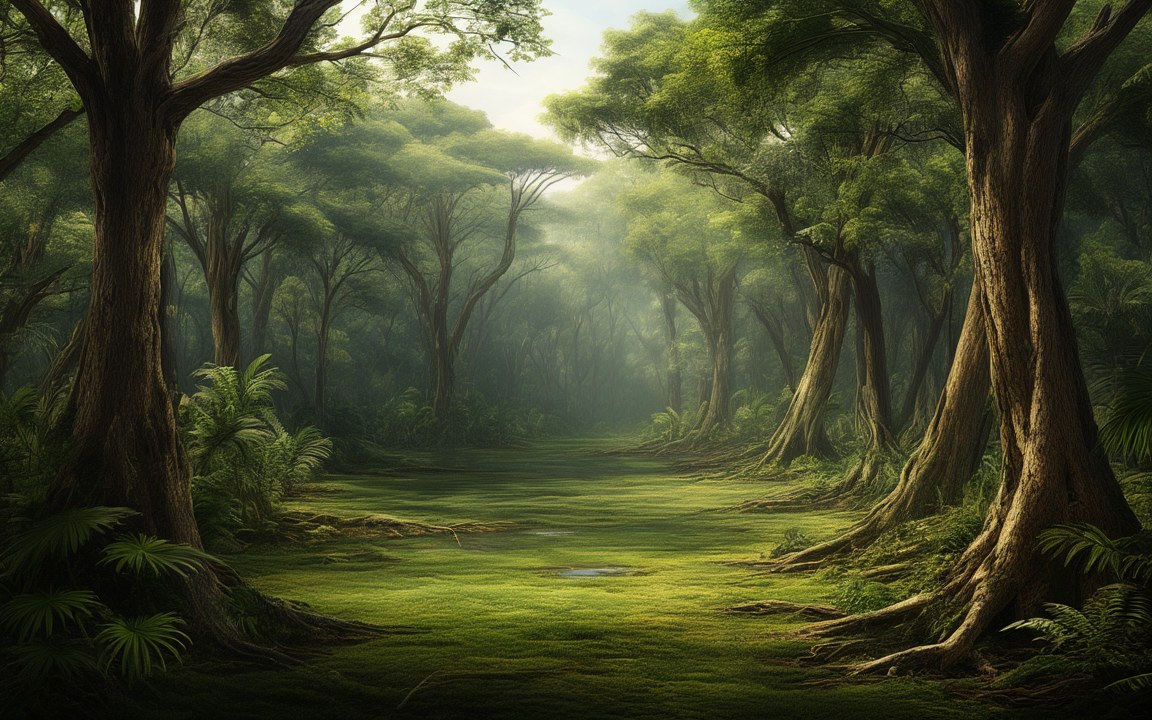
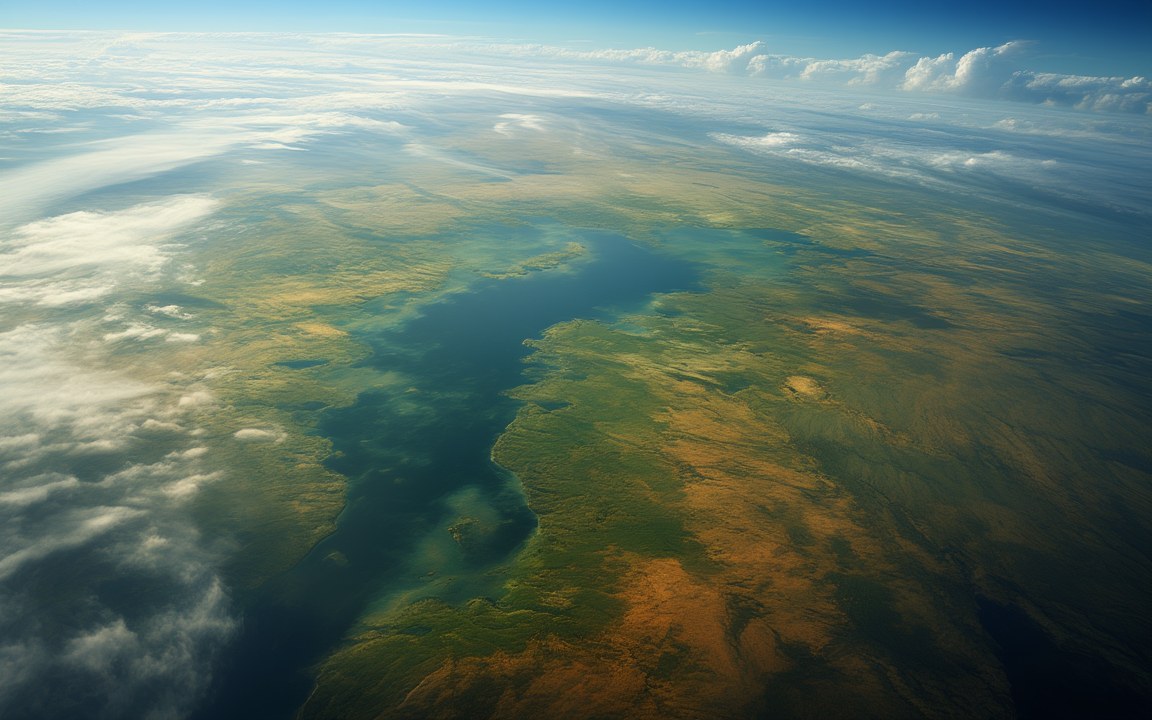
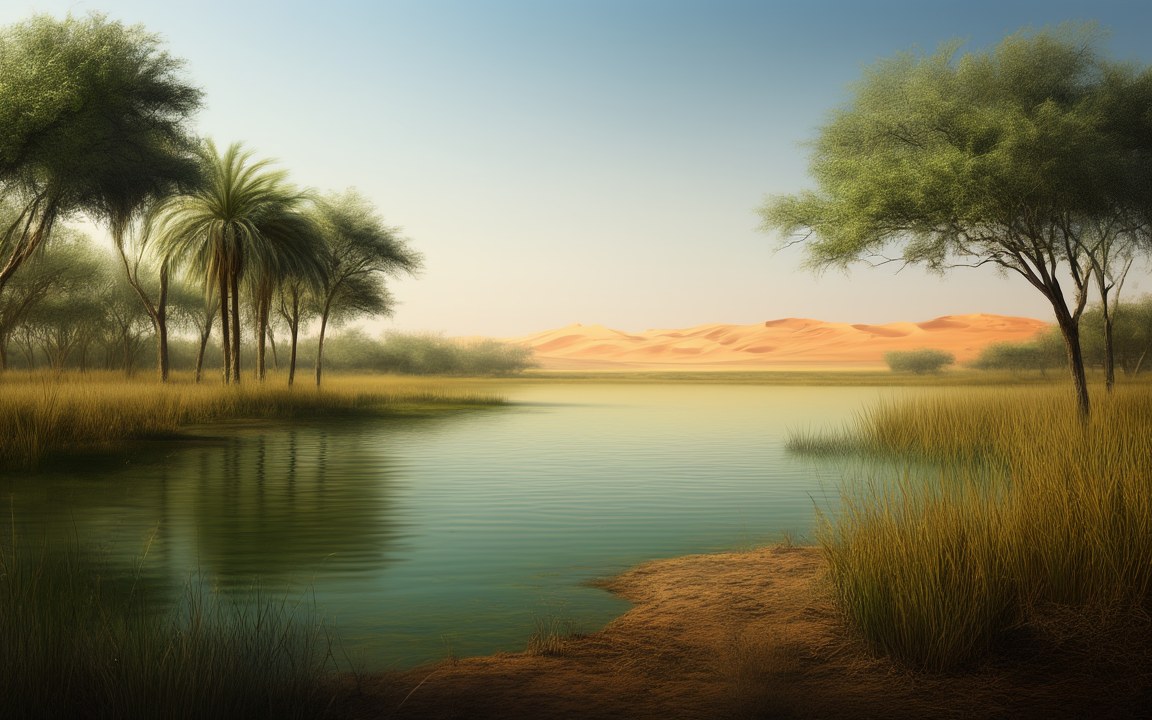
Sahelanthropus lived by a large lake. The fossil layer has yielded 42 kinds of vertebrates, among them tiger fish over 1 m long, crocodiles, otters, three-toed horses, elephants, giraffids, antelopes, hyenas and a sabre-toothed cat. Libycosaurus, a hippo-like plant-eater, was abundant enough for the layer to be named after it, though antelopes and their relatives make up about 55 per cent of the mammal remains. Monkeys and climbing plants point to strips of forest along the water and the antelopes’ teeth to open grassland, while microscopic plant remains suggest a landscape like a palm grove, with trees covering at least 40 per cent of the ground. Yet just below the fossil layer lie wind-blown dune sands, which the excavators called the oldest evidence of desert conditions in the southern Sahara.
Beryllium isotopes formed by cosmic rays date the sediments to 6.8 to 7.2 million years ago. Beauvilain later argued that the skull had lain on loose sand at the surface, so it may not be as old as the dated layers. No stone tools are reported from the site.
Ancestor, cousin or early gorilla?
Its discoverers place Sahelanthropus at the base of the human family. Others disagree. Senut and Pickford have suggested that its features fit a female early gorilla, and Cazenave’s team sees it as a side branch close to the human line. Whether it was a direct ancestor of later humans is unknown either way.
Its height is not known. It was probably about the size of a chimpanzee: the femur, if it is from Sahelanthropus, would have been about 317 mm long, a little longer than an average chimpanzee’s 300 mm. Nothing is known about its skin or hair.