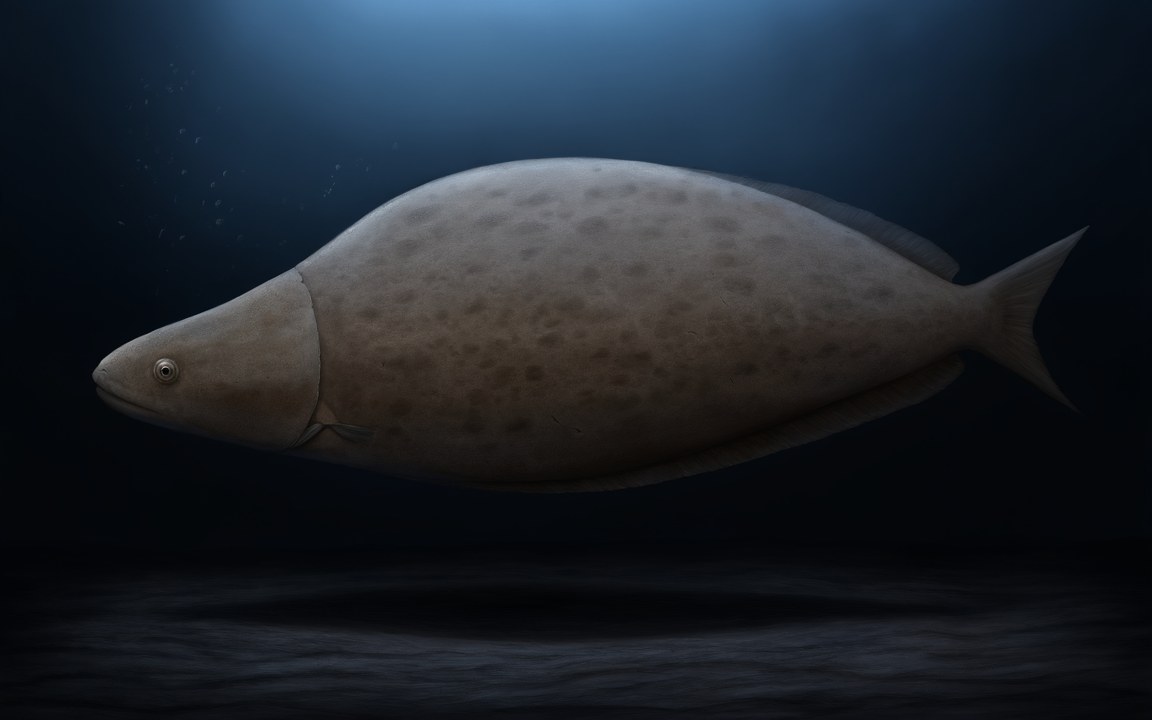
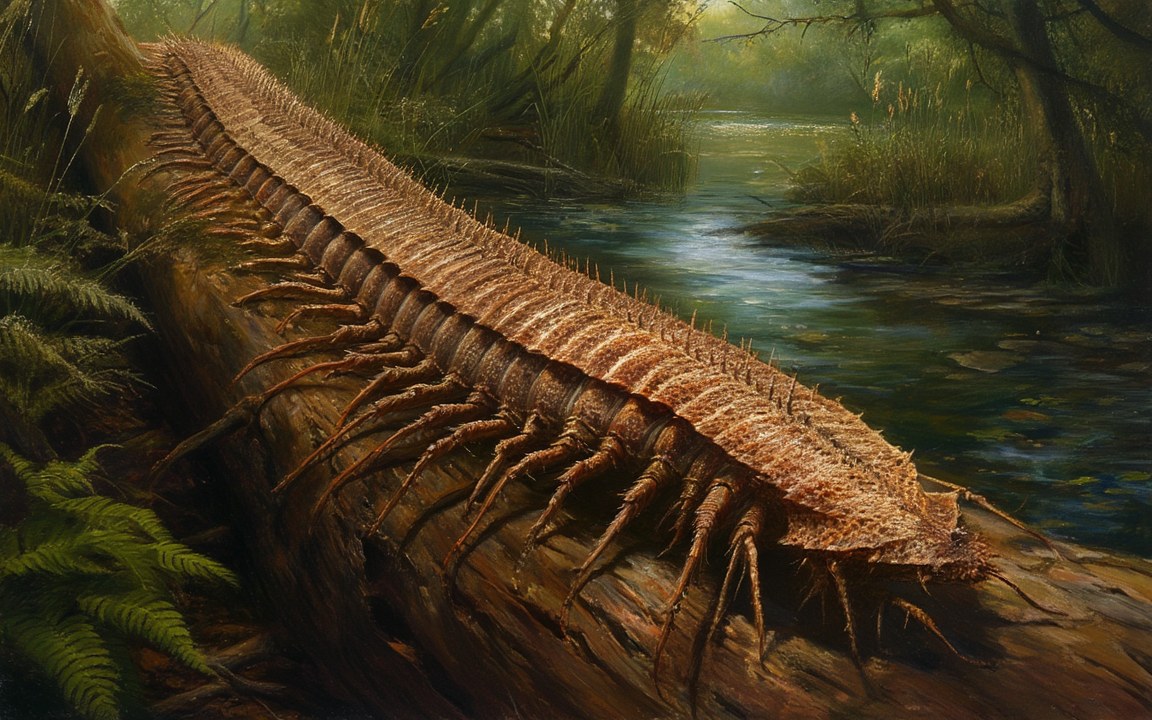
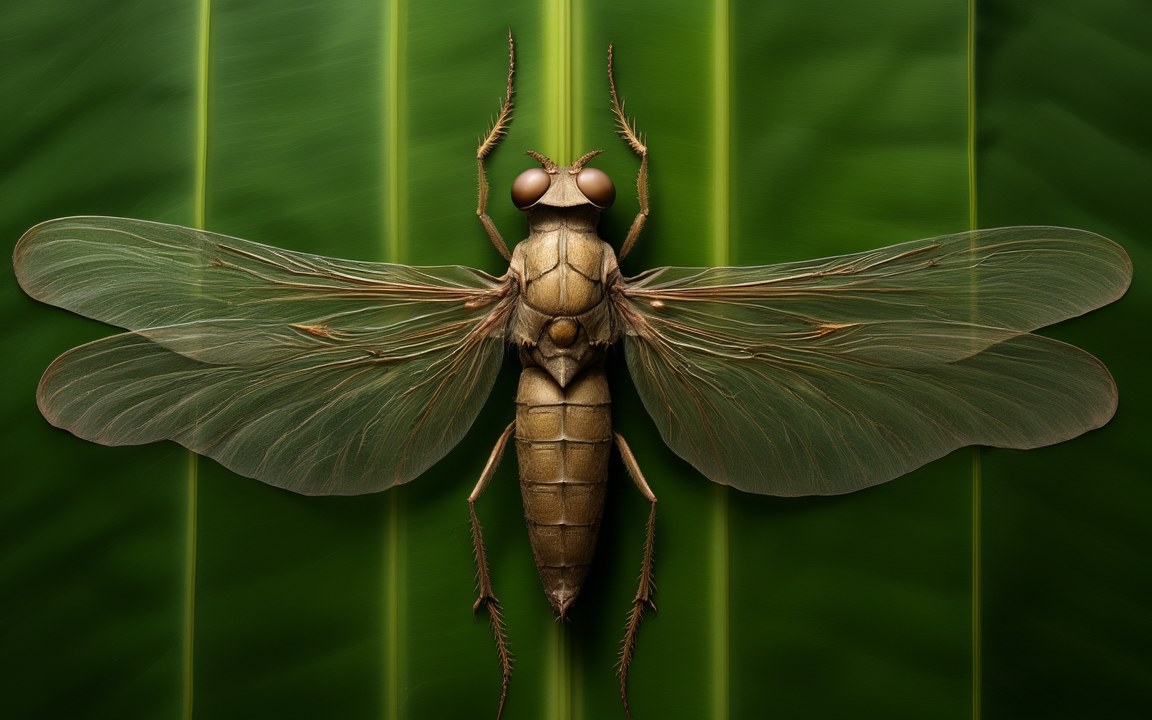
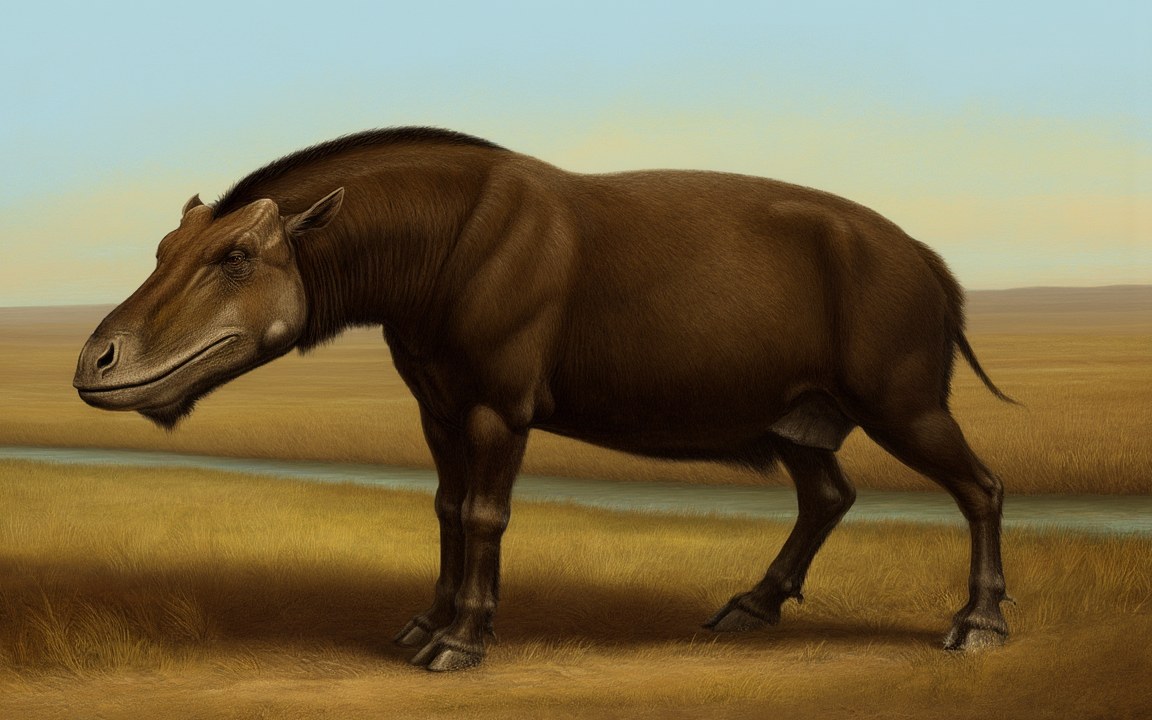
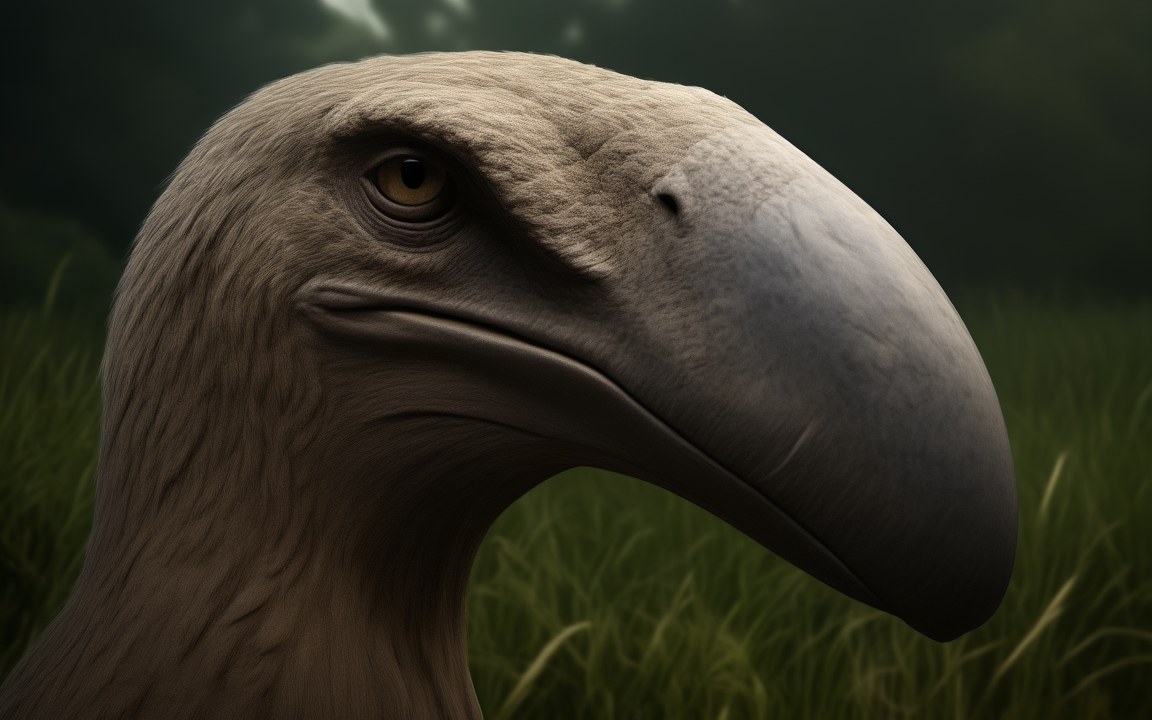
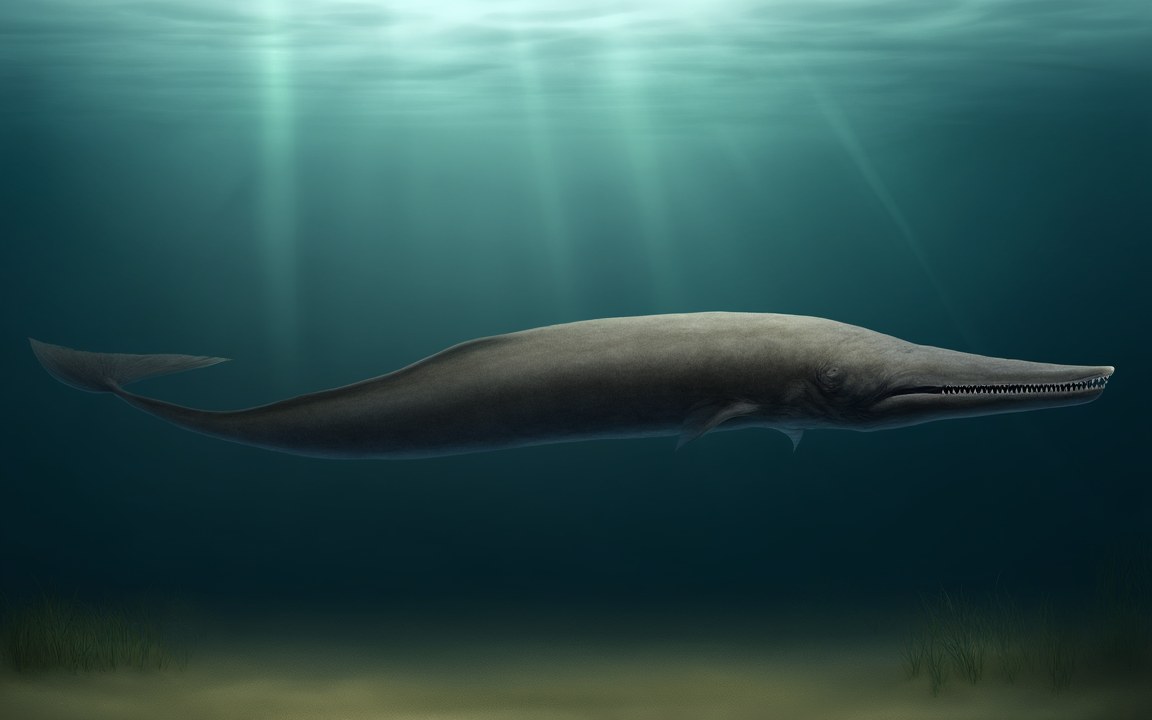
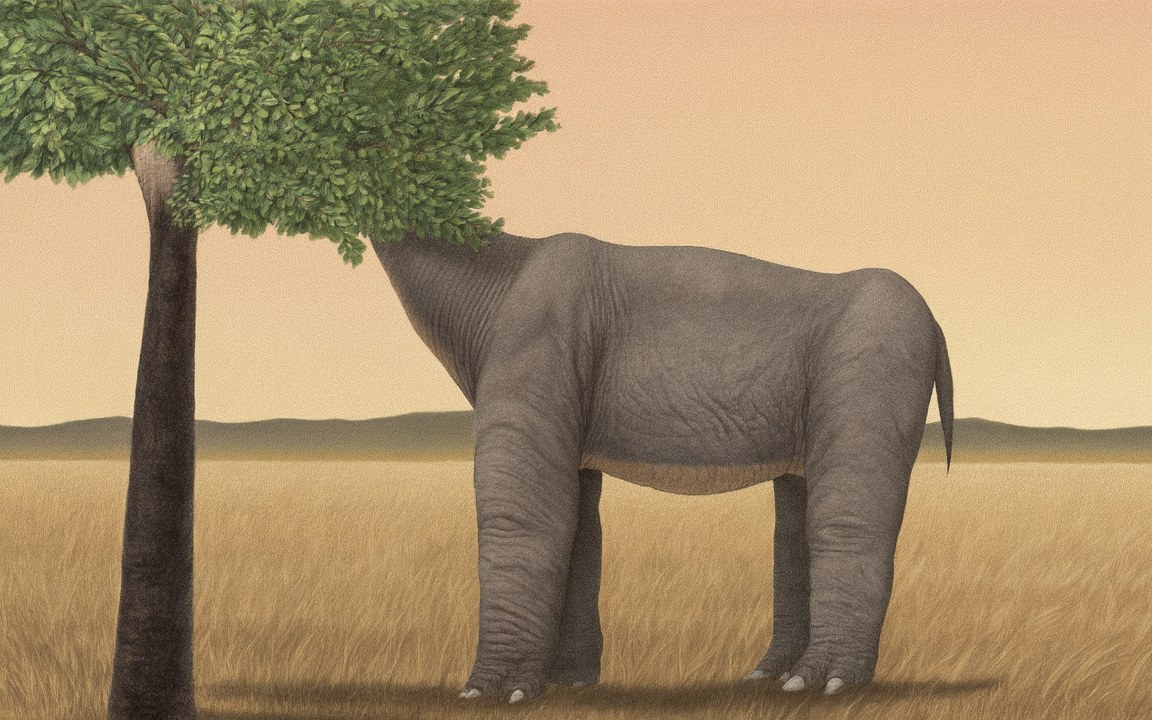
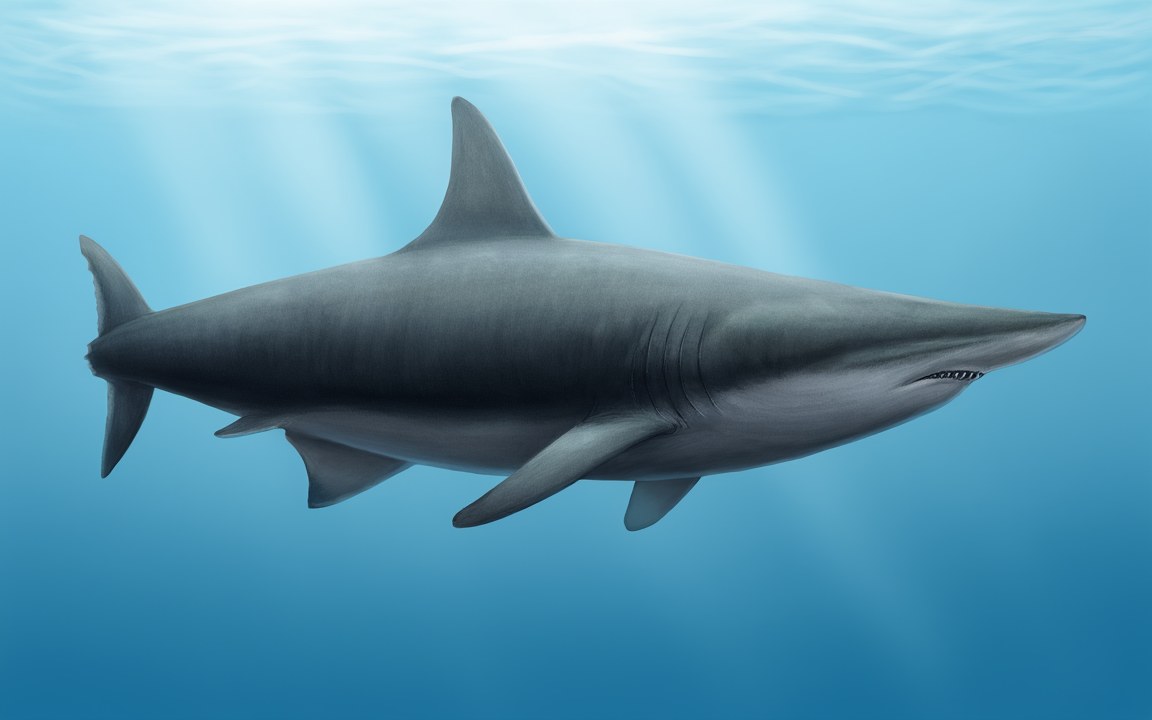
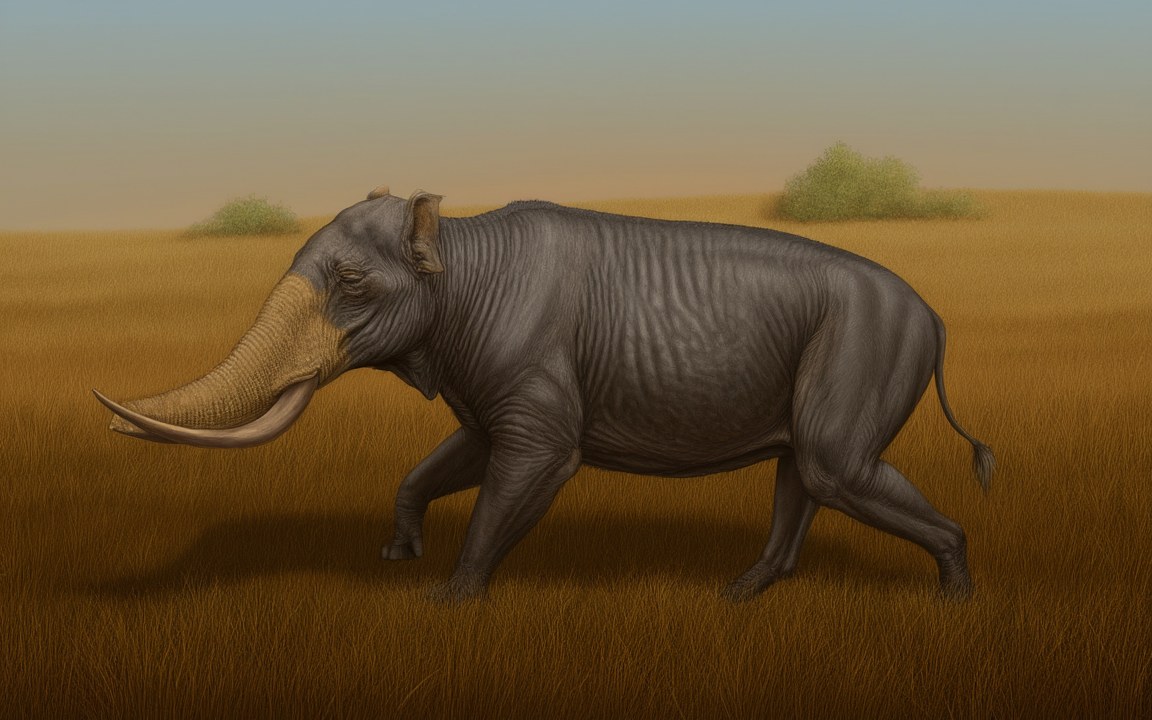
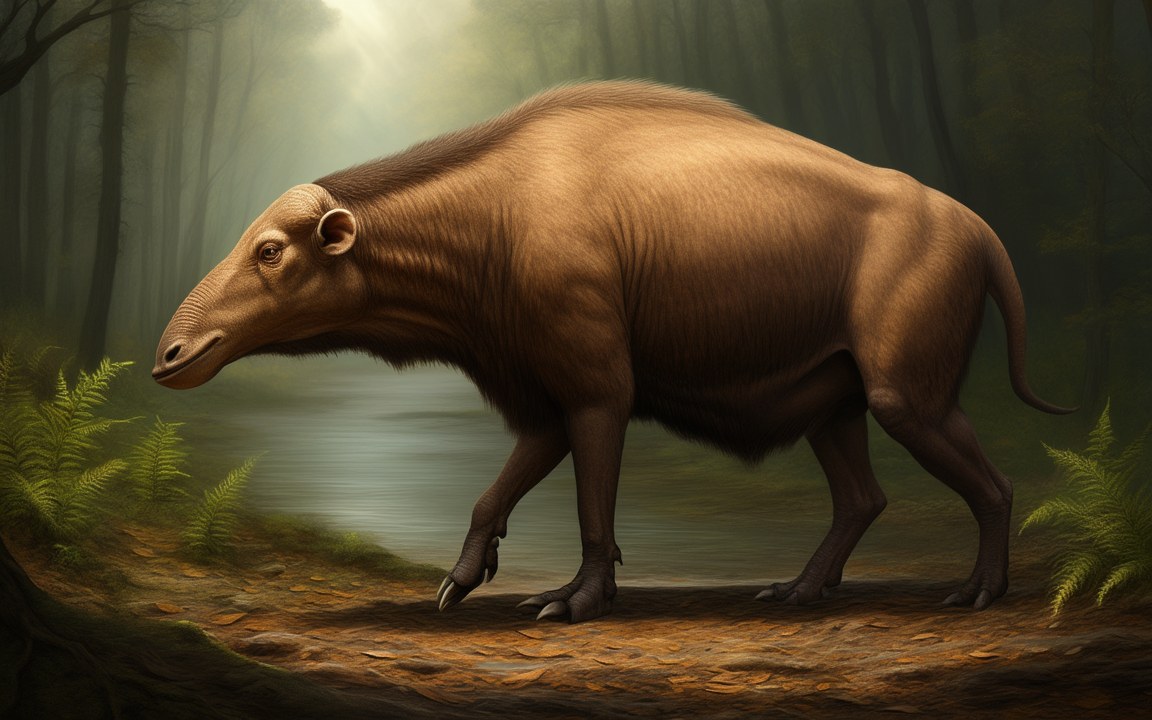
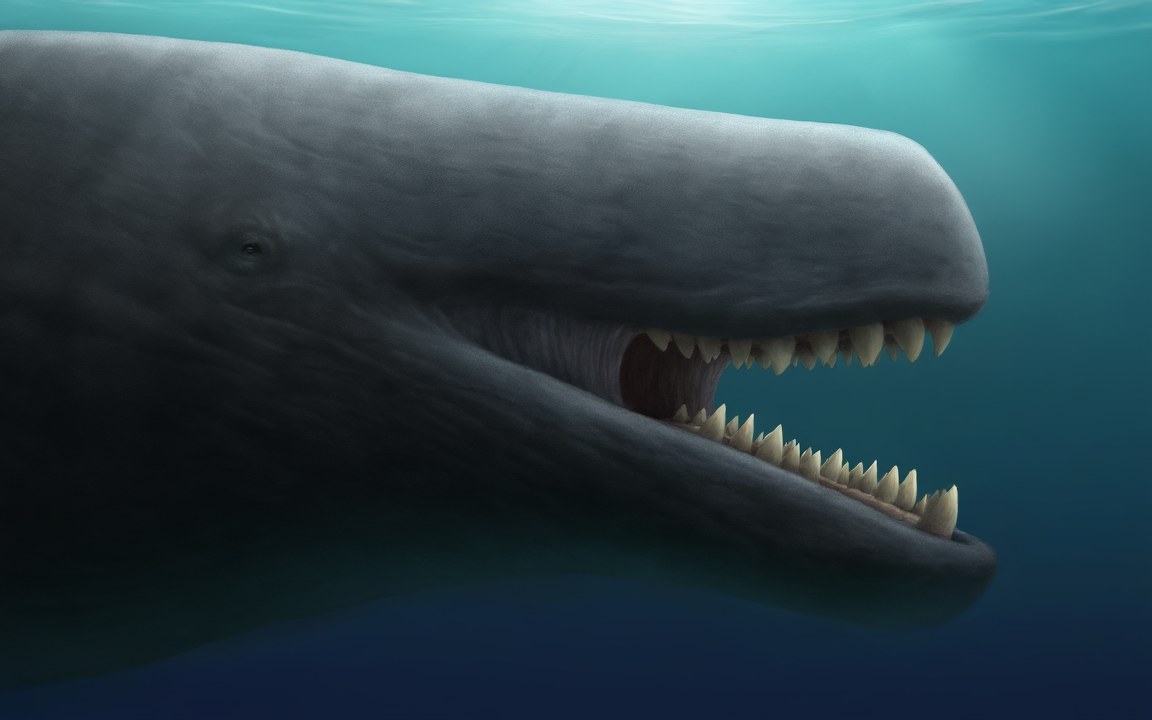
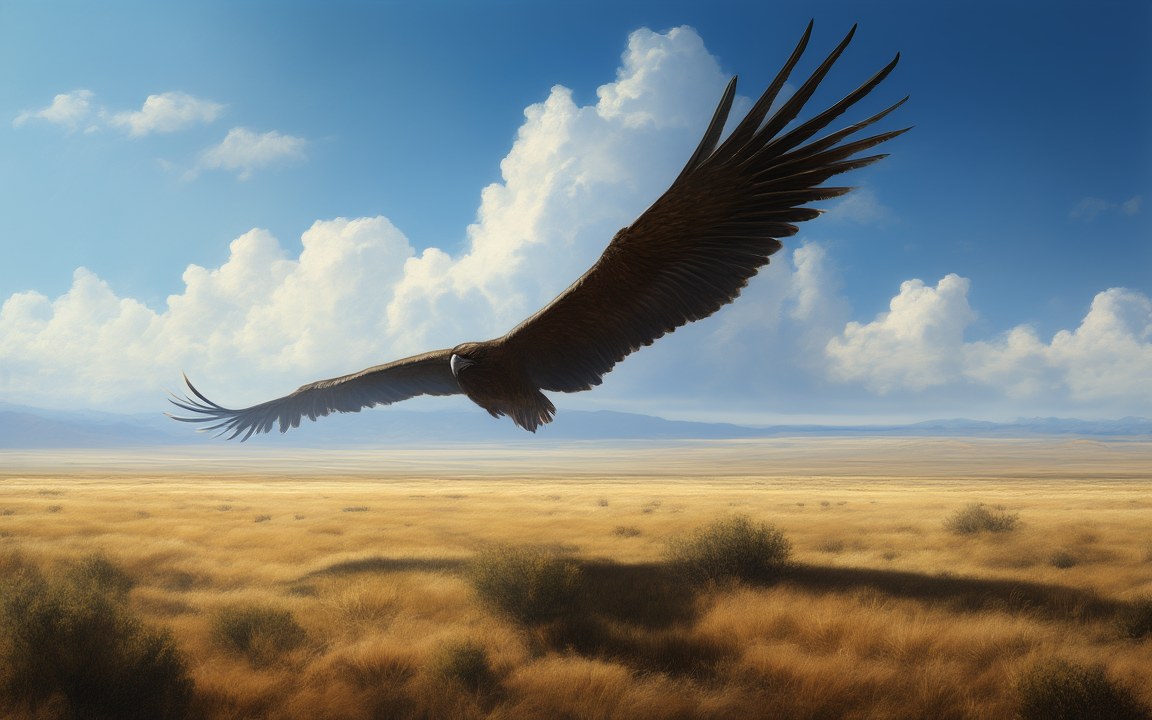
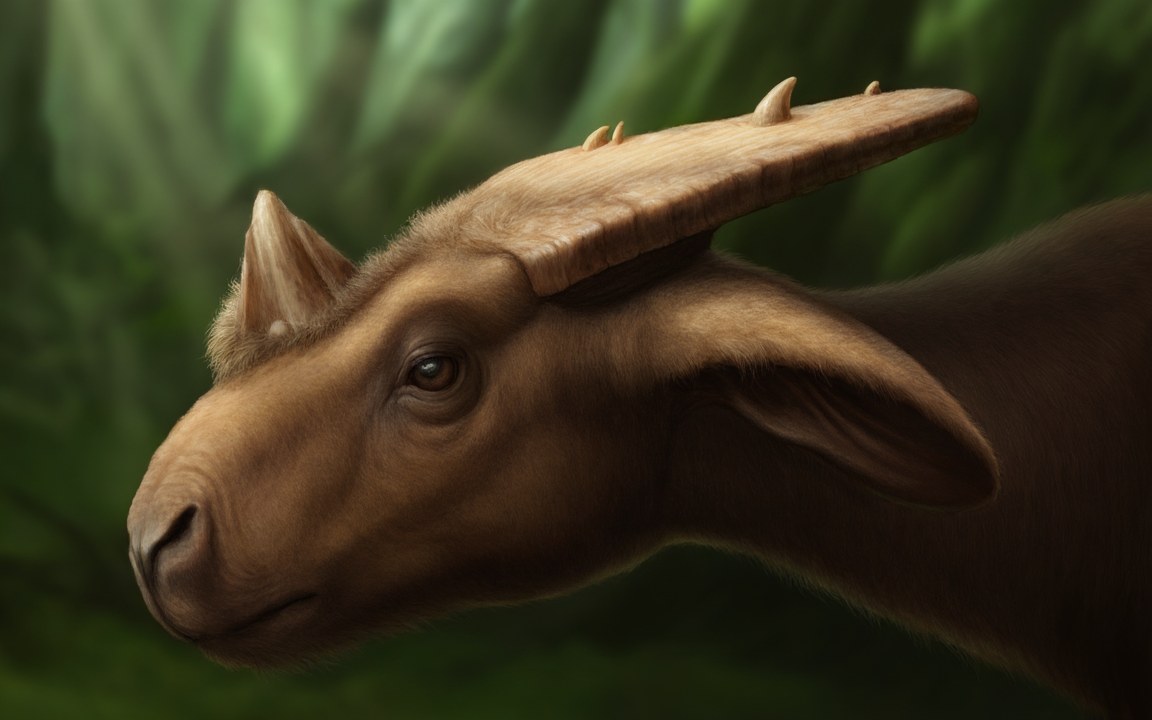
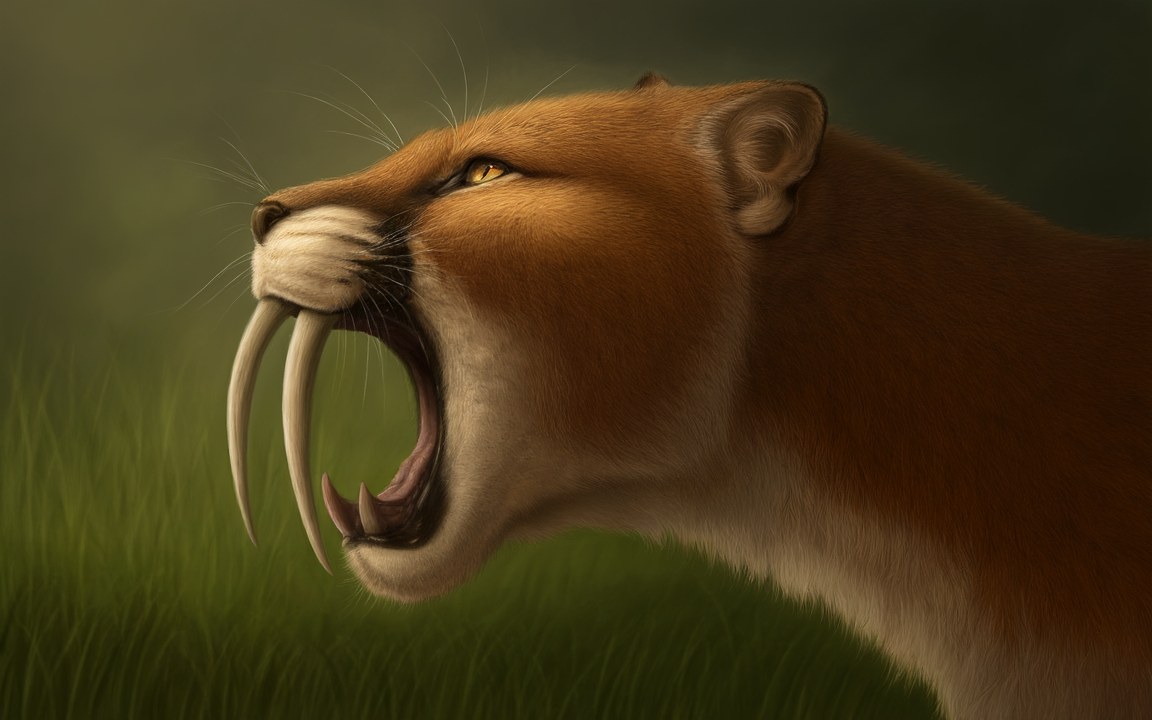
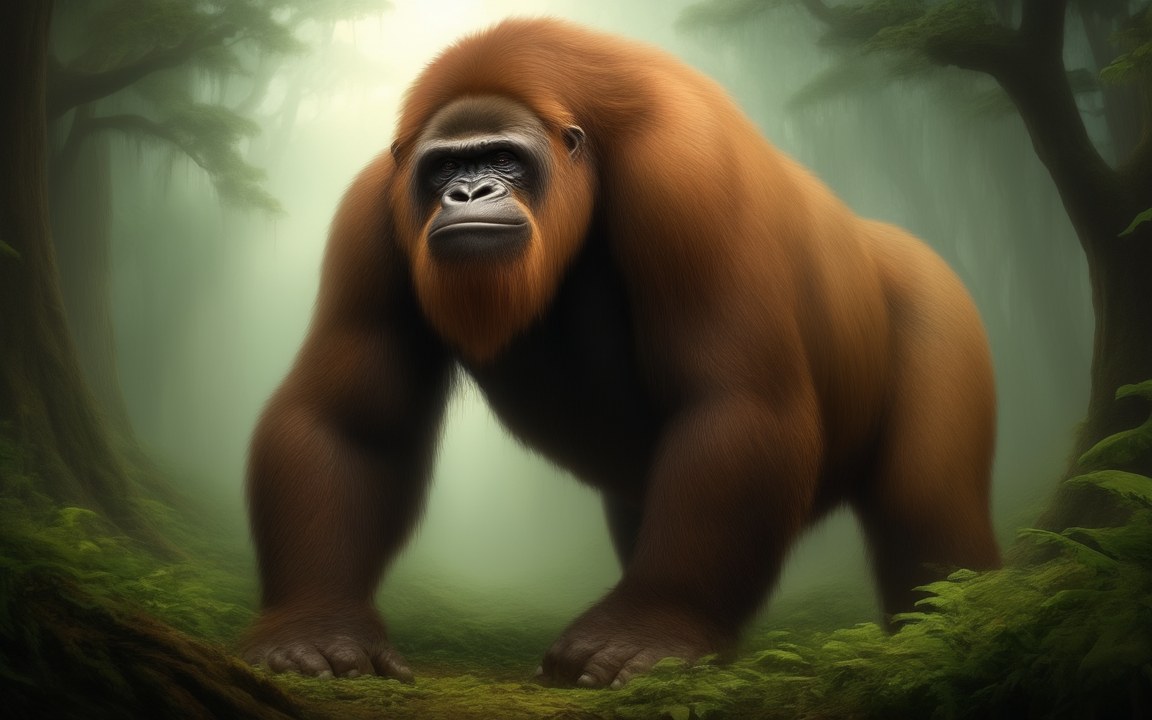
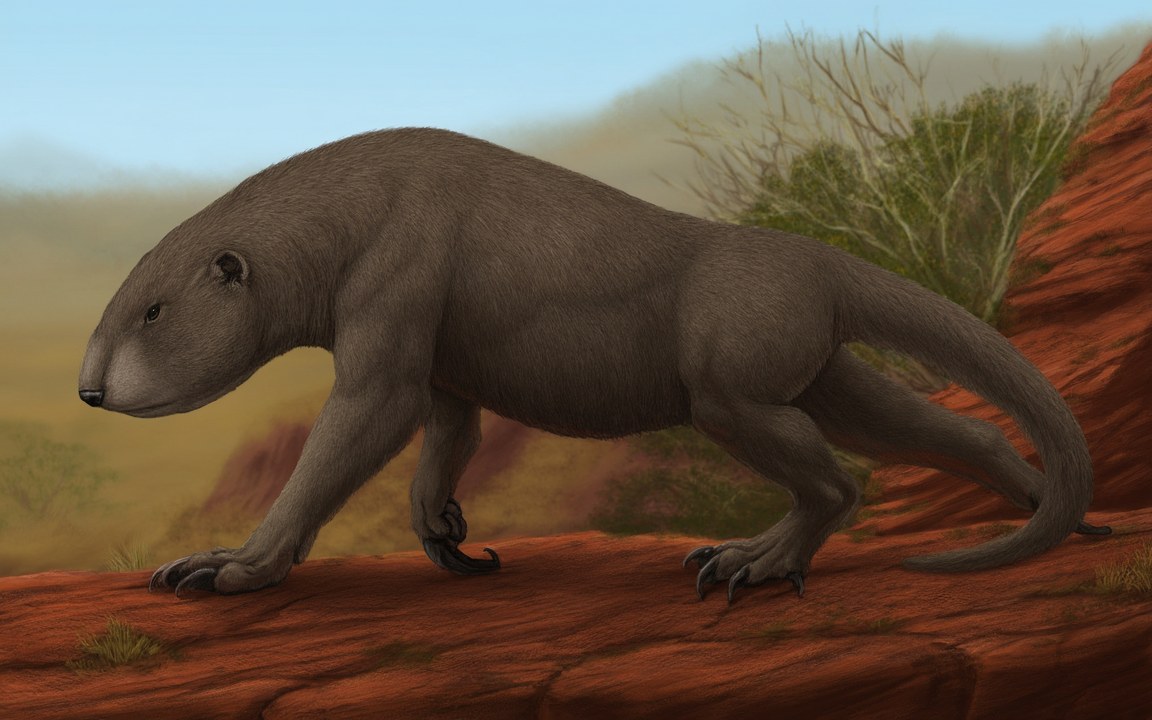
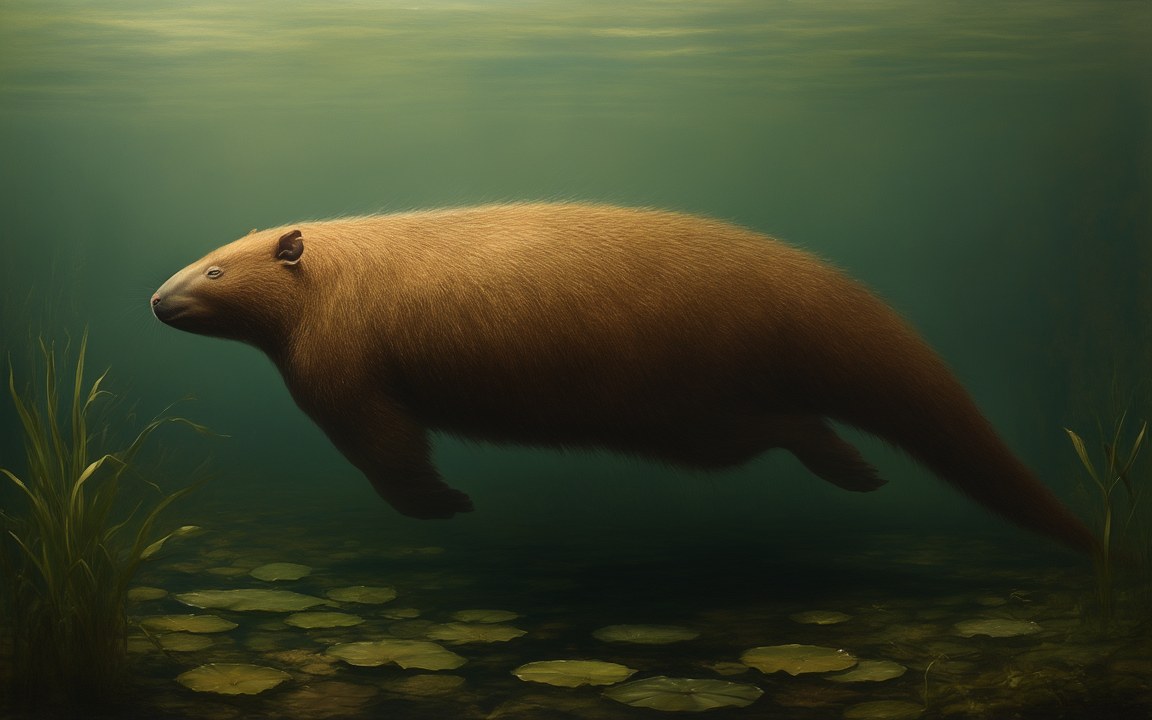
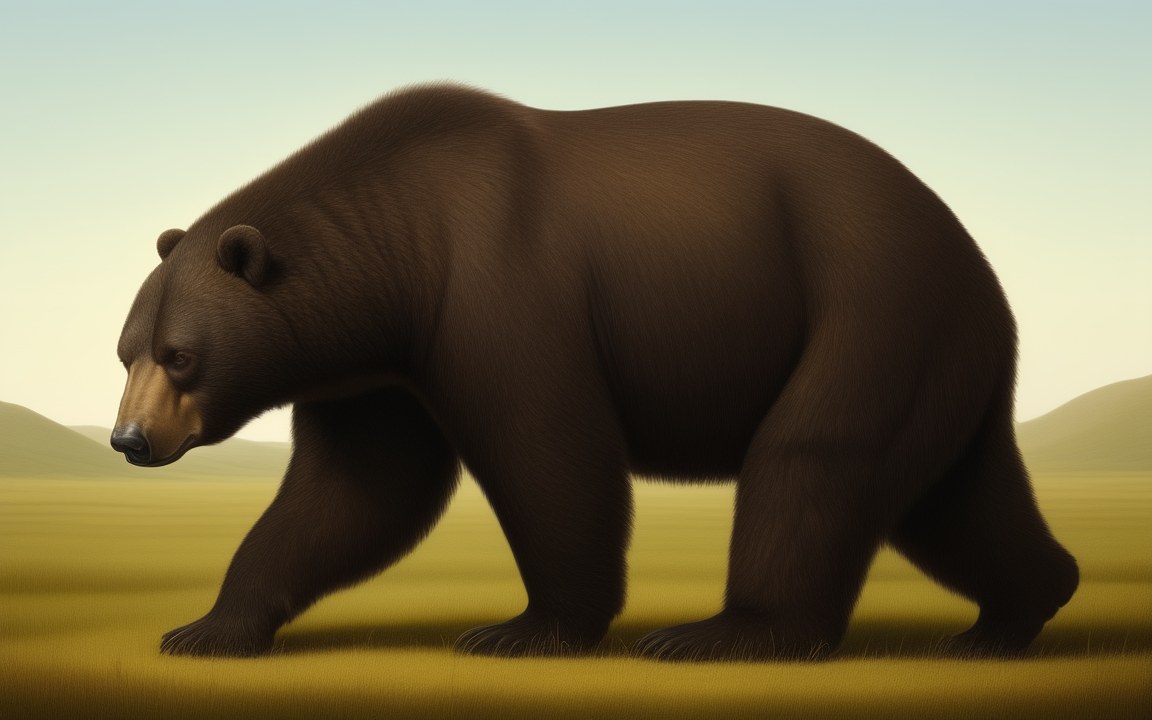
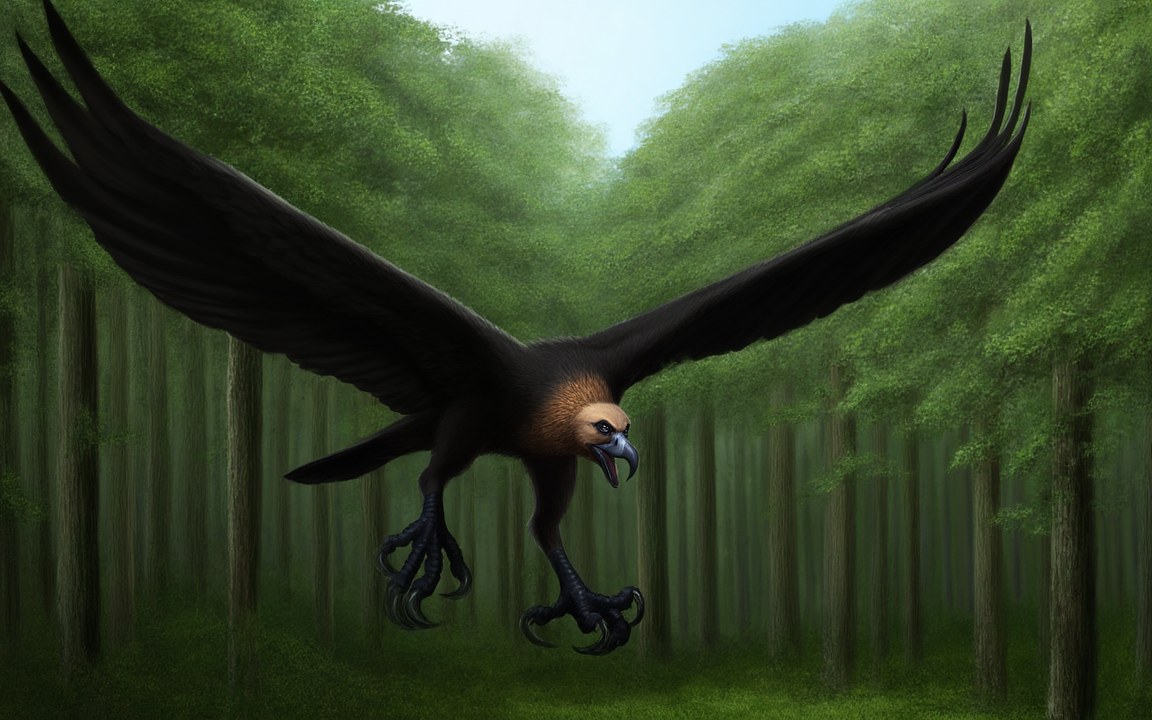
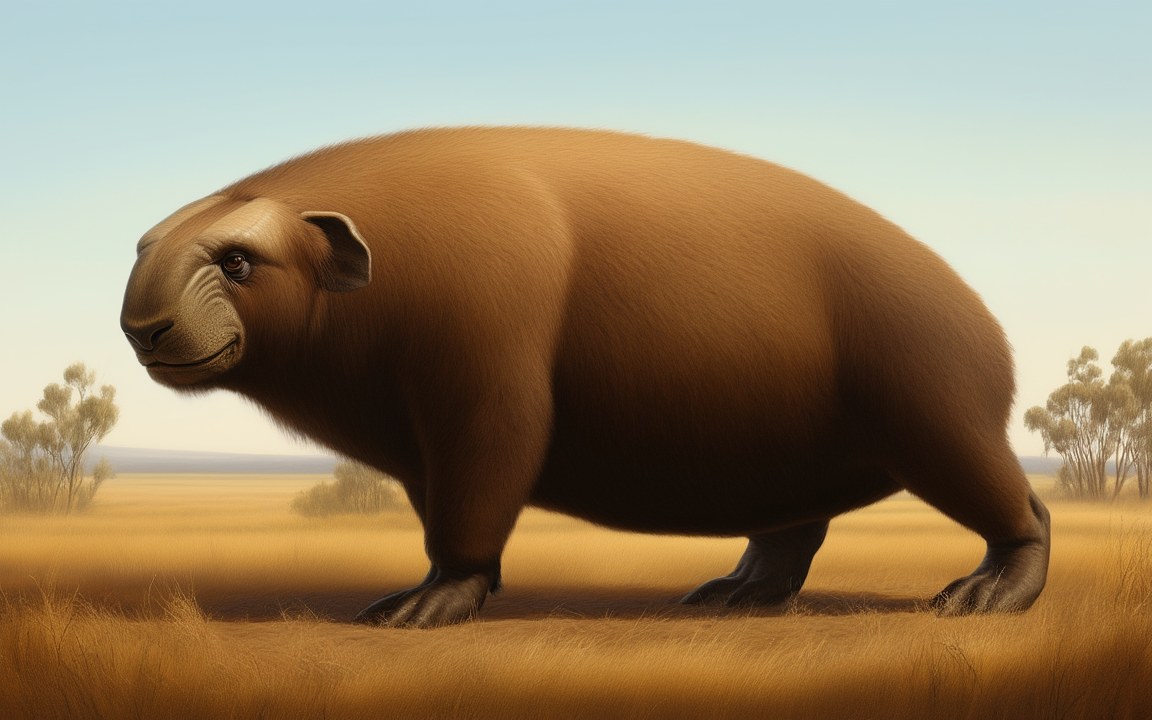
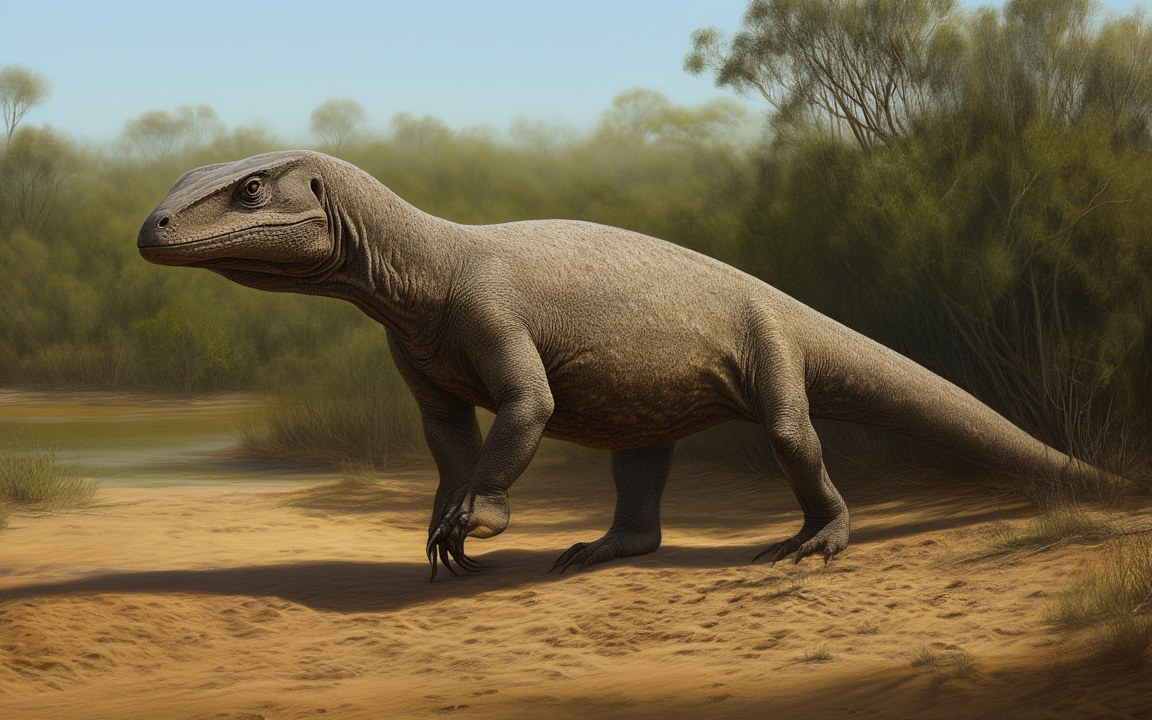
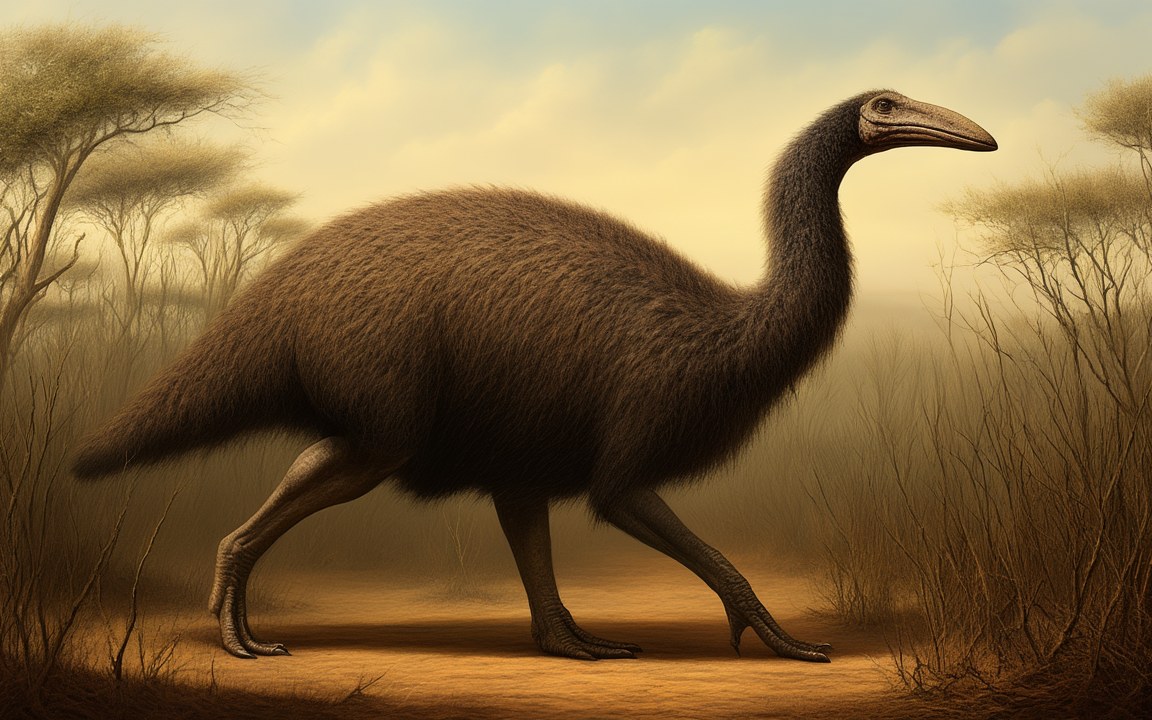
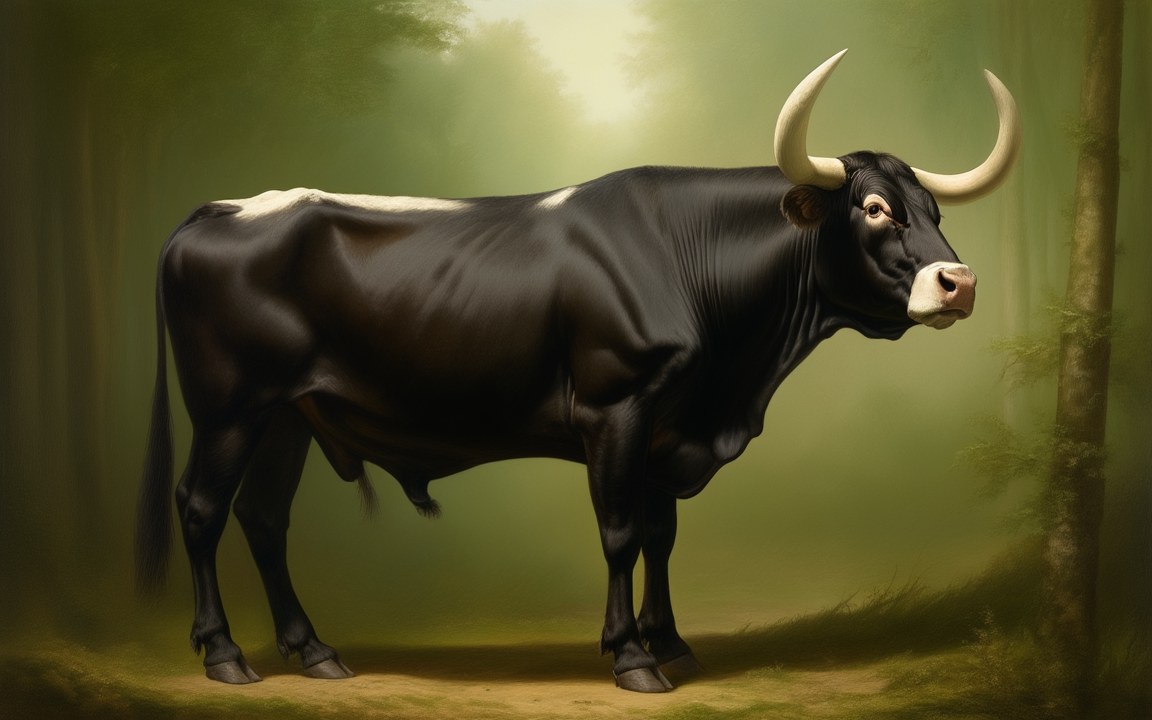
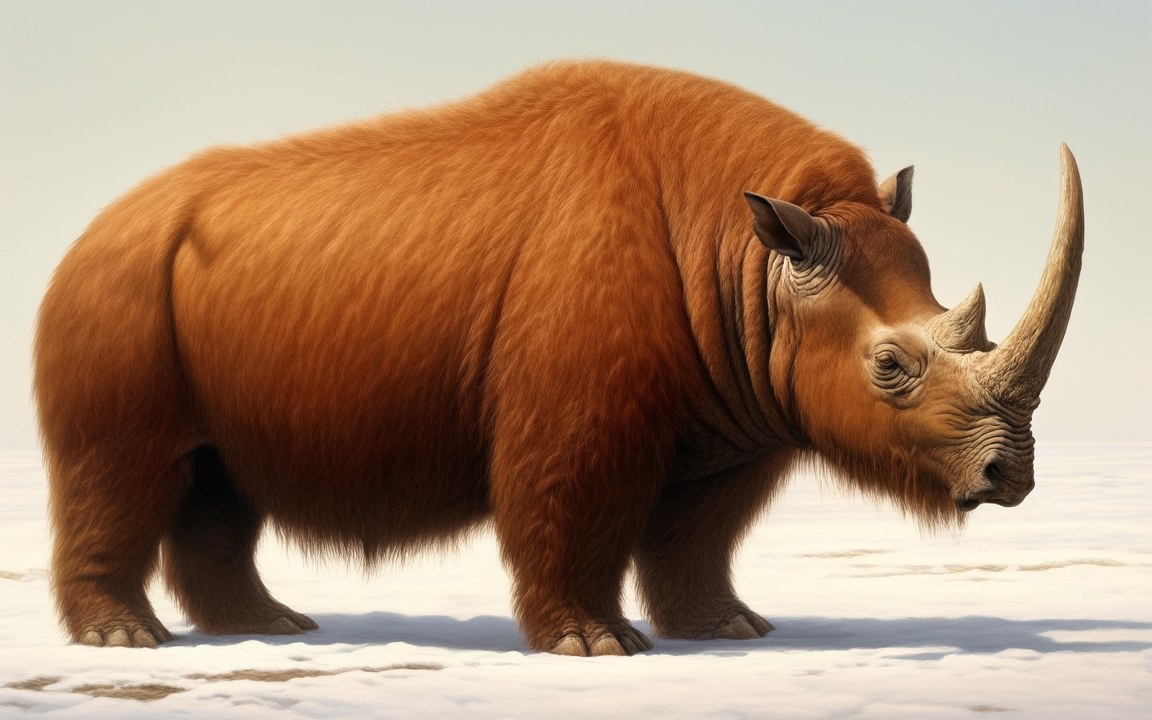
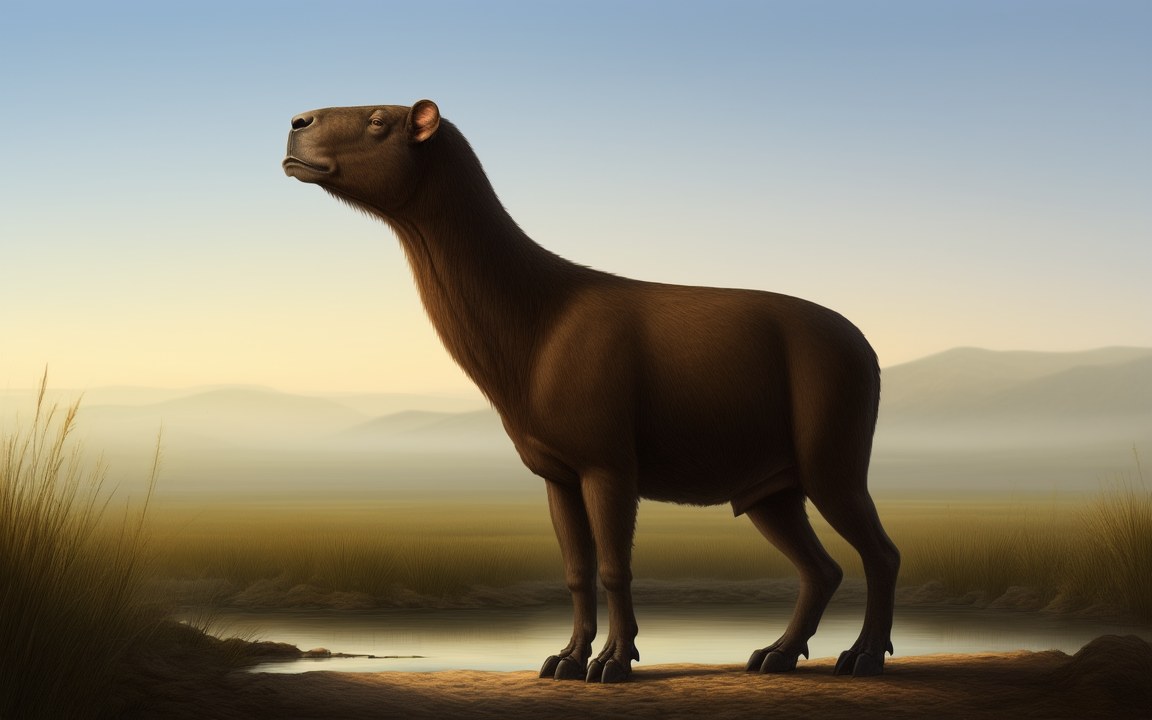
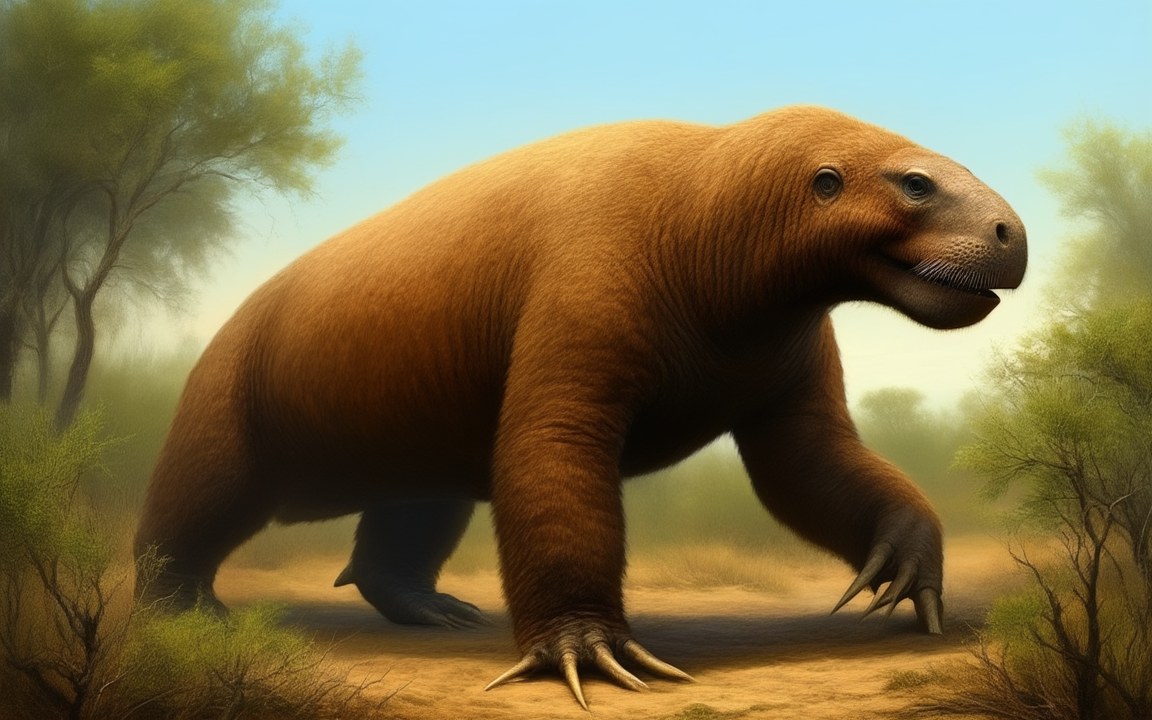
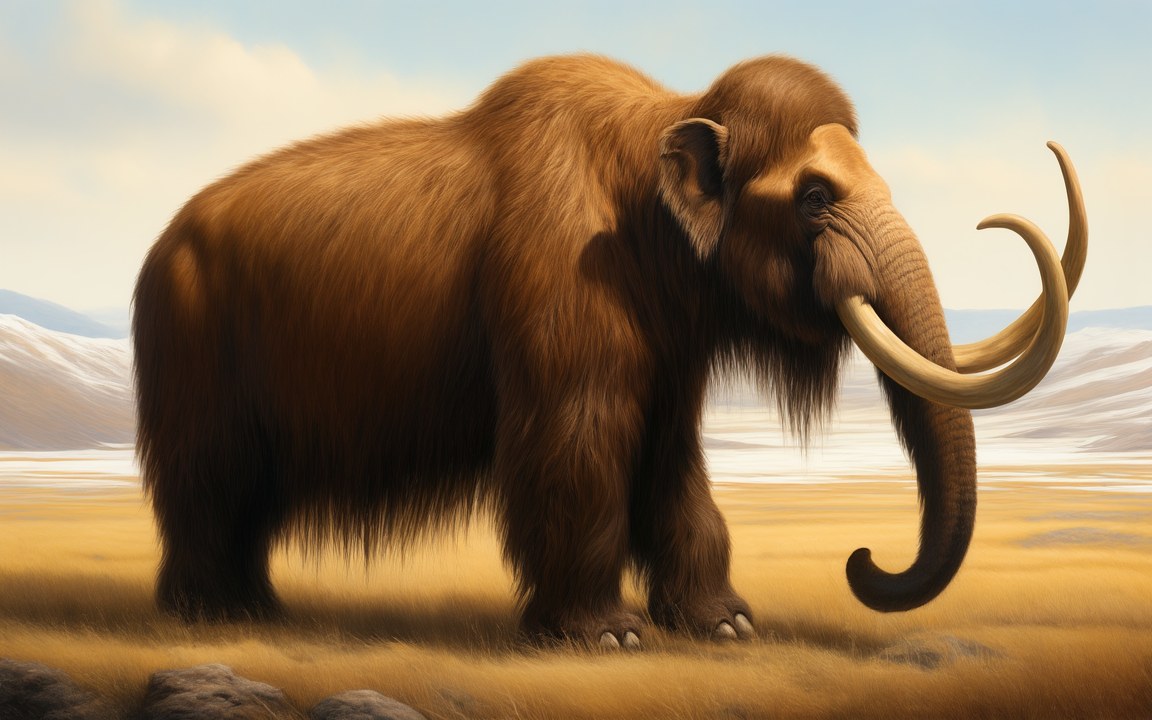
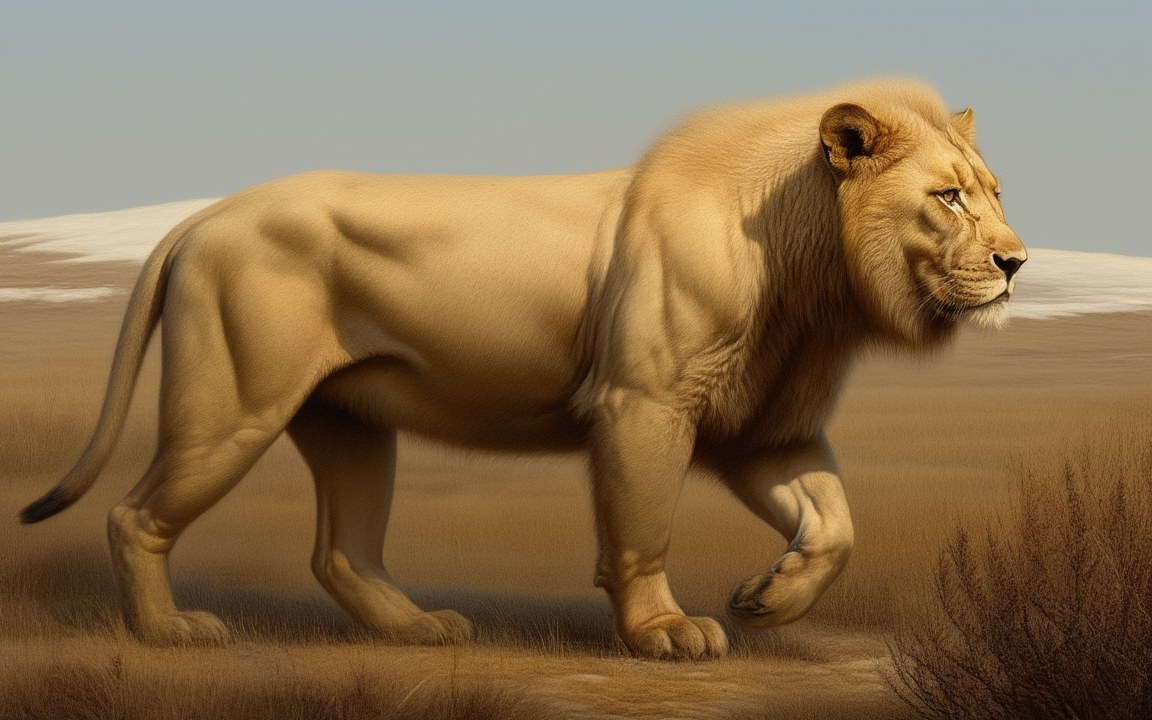
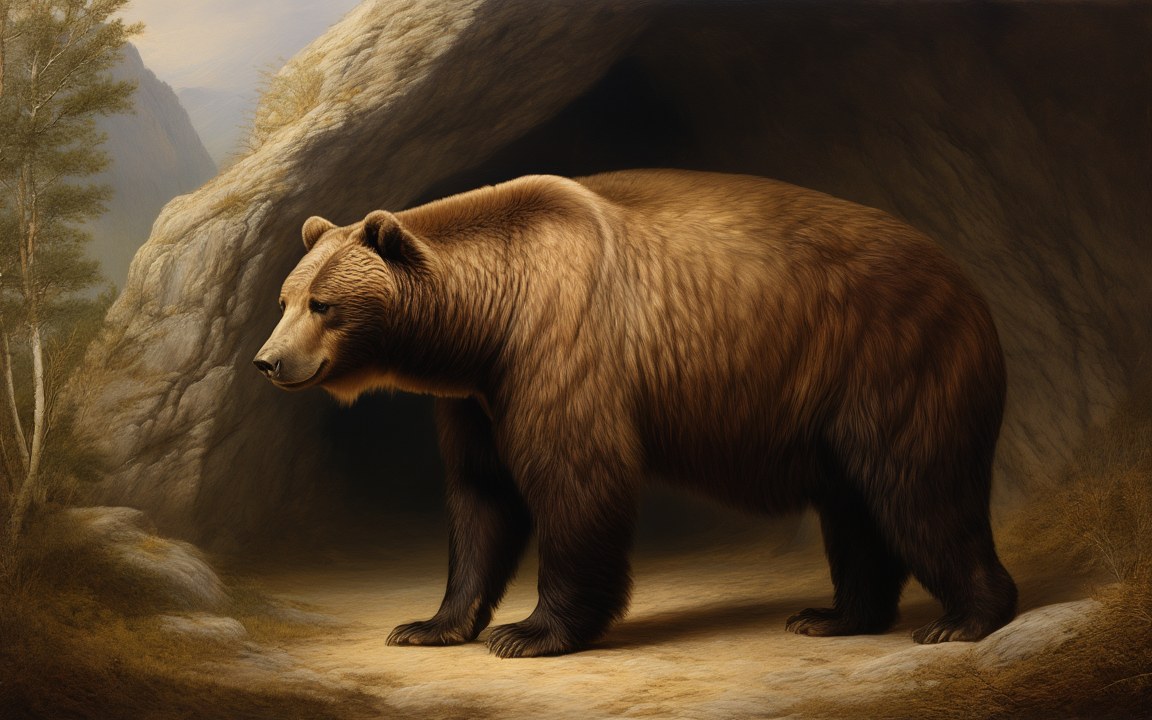
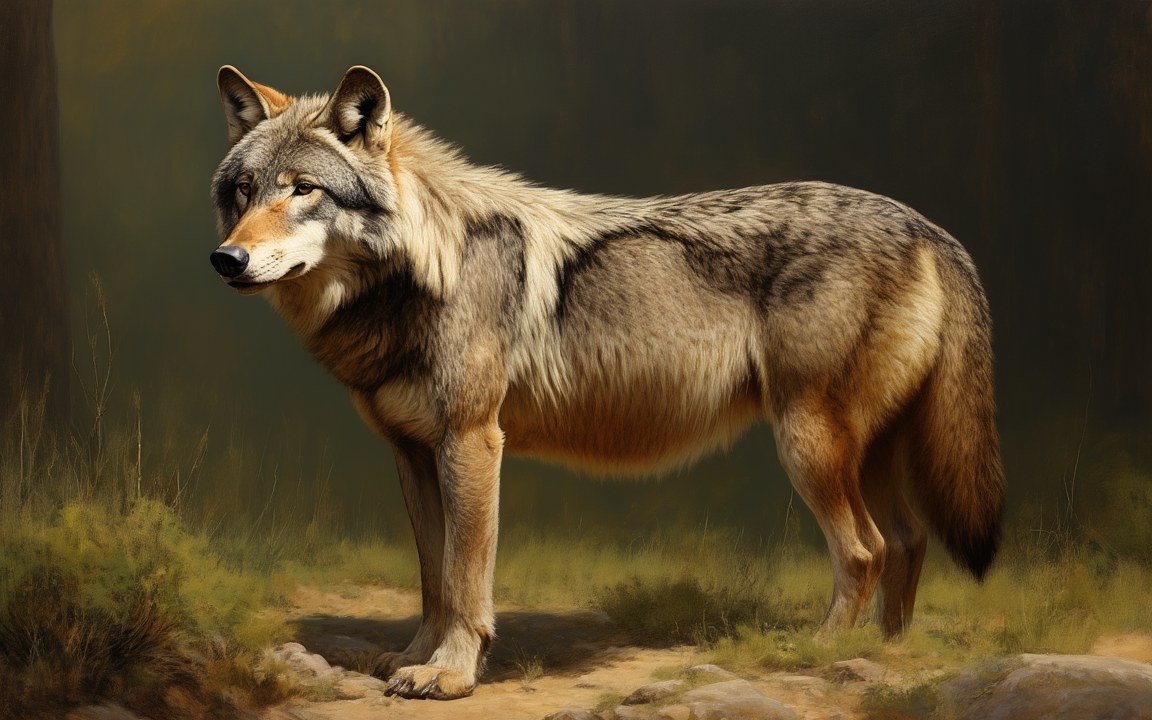
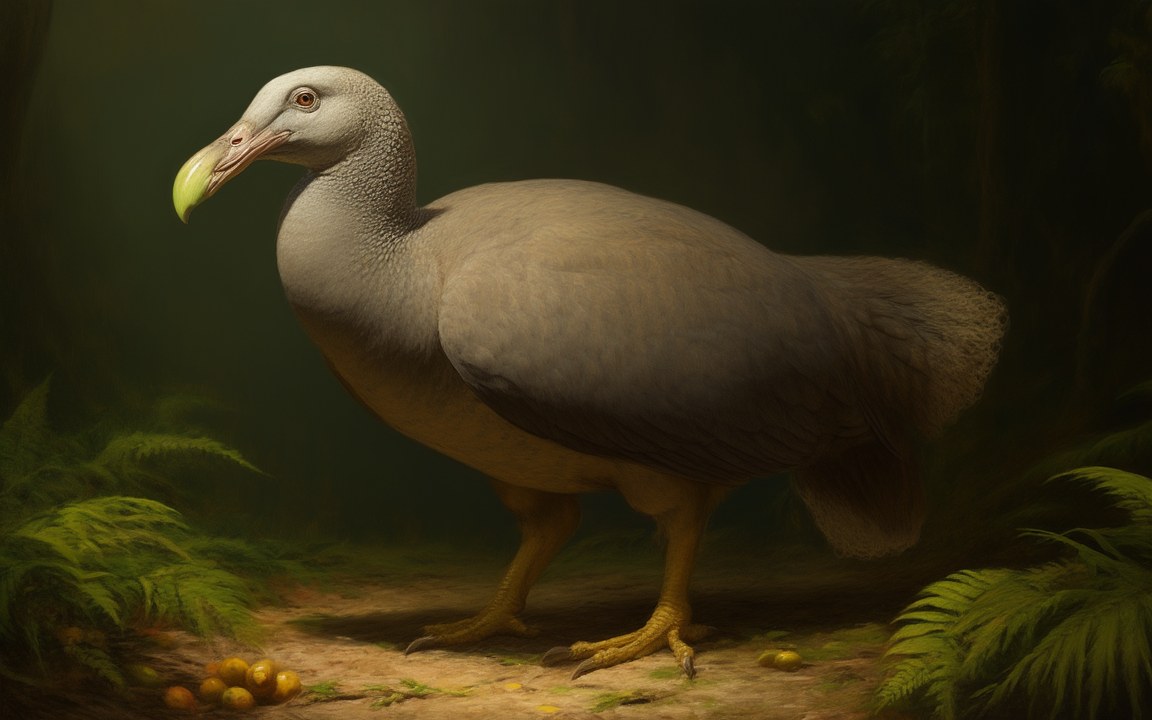
Every animal in this collection died out before anyone could photograph it. Some vanished hundreds of millions of years ago, like the armoured fish Dunkleosteus, the griffinfly Meganeura and the giant millipede-relative Arthropleura. Others lived alongside people: mammoths were painted on cave walls, Haast’s eagle was remembered in Māori stories, and the last aurochs died in a Polish forest in 1627, two centuries before the first photograph.
What survives of them is uneven. Megalodon is known almost entirely from its teeth. Gigantopithecus, the largest ape that ever lived, from teeth and four jaws. The woolly mammoth, by contrast, has left whole frozen bodies with skin and hair. Each page here says what the evidence is, what has been measured from it, and where estimates disagree, as they often do for animals known from a few bones. Sizes are given as ranges, with the study behind each figure.
Recent research keeps changing the picture. Megalodon has become slimmer, Dunkleosteus has shrunk from ten metres to about four, the dodo has lost its famous belly, and a frozen woolly rhinoceros has proved that Ice Age painters were right to give it a hump. The dire wolf turned out to be a more distant relative of the grey wolf than its looks suggest, though how distant is still argued.
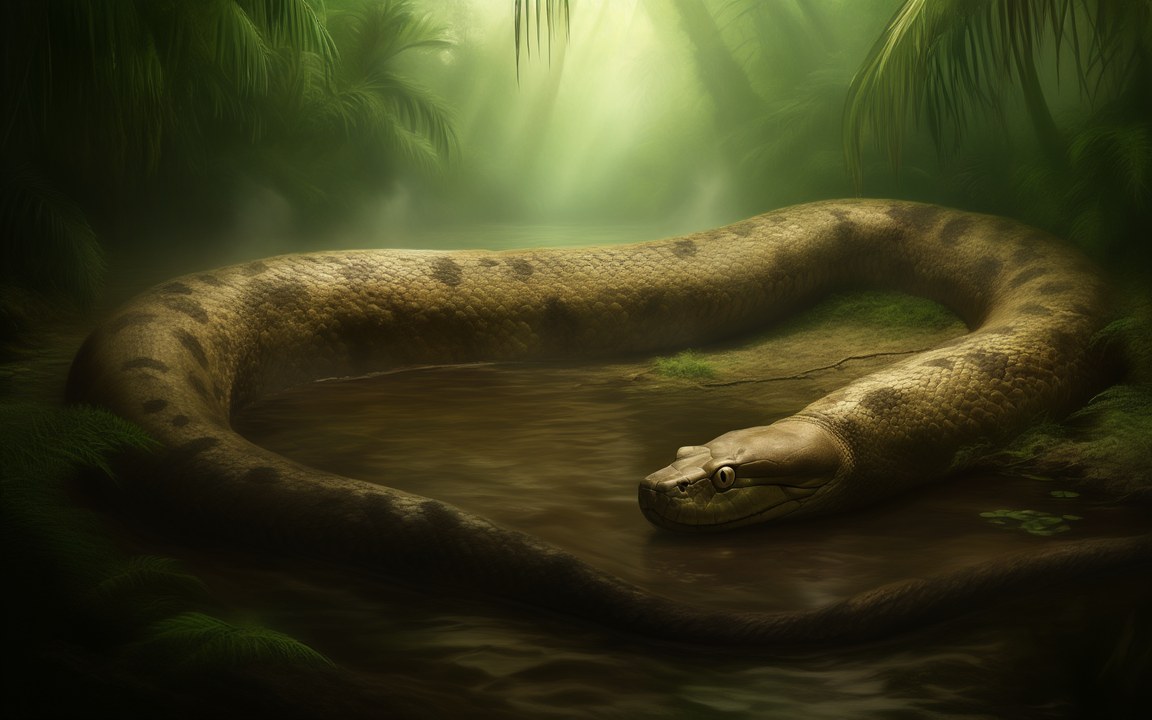
The paintings show these animals as recent studies reconstruct them. Colours, fur and feathers are almost never preserved, so under the facts on every page a short note says which parts of each picture are known and which are informed guesses.