The woolly mammoth is the best-known animal of the Ice Age, and one of the few extinct animals whose actual skin and hair have been seen. Whole carcasses have come out of the frozen ground of Siberia and Alaska, some with fur, stomach contents and even blood. People who lived alongside mammoths painted and carved them hundreds of times. Yet no one ever photographed one alive: the last of them died on a remote Arctic island about 4 000 years ago.
Built for the cold
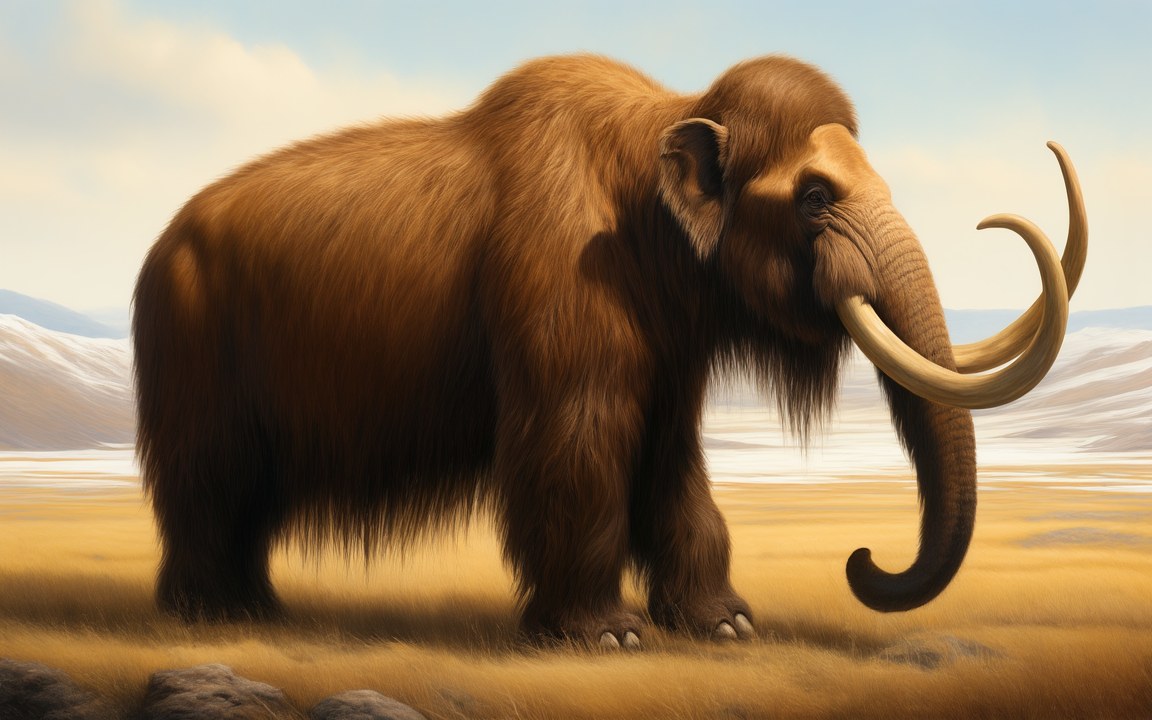
Its closest living relative is the Asian elephant, and mammoths in northern Siberia were about the same height; those in Europe were as large as an African bush elephant. Bulls stood about 2.7 to 3.5 m at the shoulder and weighed up to about 8 tonnes; cows were noticeably smaller. Its tusks grew in a long spiral, curving out and then back in, so that the tips pointed towards each other and sometimes crossed. The longest known is 4.05 m.
Everything about it was built to keep in heat. Frozen carcasses show coarse guard hairs up to 90 cm long hanging from the flanks and belly, over a dense underwool up to 8 cm deep. Under the skin lay a layer of fat up to 10 cm thick. Its ears were only about 38 cm long and its tail about 36 cm, far smaller than an elephant’s, and a flap of skin covered the anus. To fuel all this it ate about 180 kg of food a day, mostly flowering herbs and grasses, and it may have spent up to 20 hours a day feeding.
What colour was it?
Preserved mammoth hair is usually orange-brown, but that colour is thought to be the result of bleaching while it lay in the ground. Ancient DNA gives a different picture. A gene variant linked to light coats in other animals turned up in only one of 47 mammoths tested in a 2011 study, which suggests light-coated mammoths were rare or absent. Another study found that the colour varied from hair to hair, which would have given the coat a lighter, mixed look overall. The exact shade of a living mammoth is unknown.
Drawn by the people who saw them
More than 500 images of mammoths survive from 46 caves and from carved and painted objects, 159 of them in the cave of Rouffignac in France alone. They show what bones cannot: a high, single-domed head and a back that sloped steeply down from a hump at the shoulders. Calves were drawn with rounder backs, like young Asian elephants.
The last mammoths
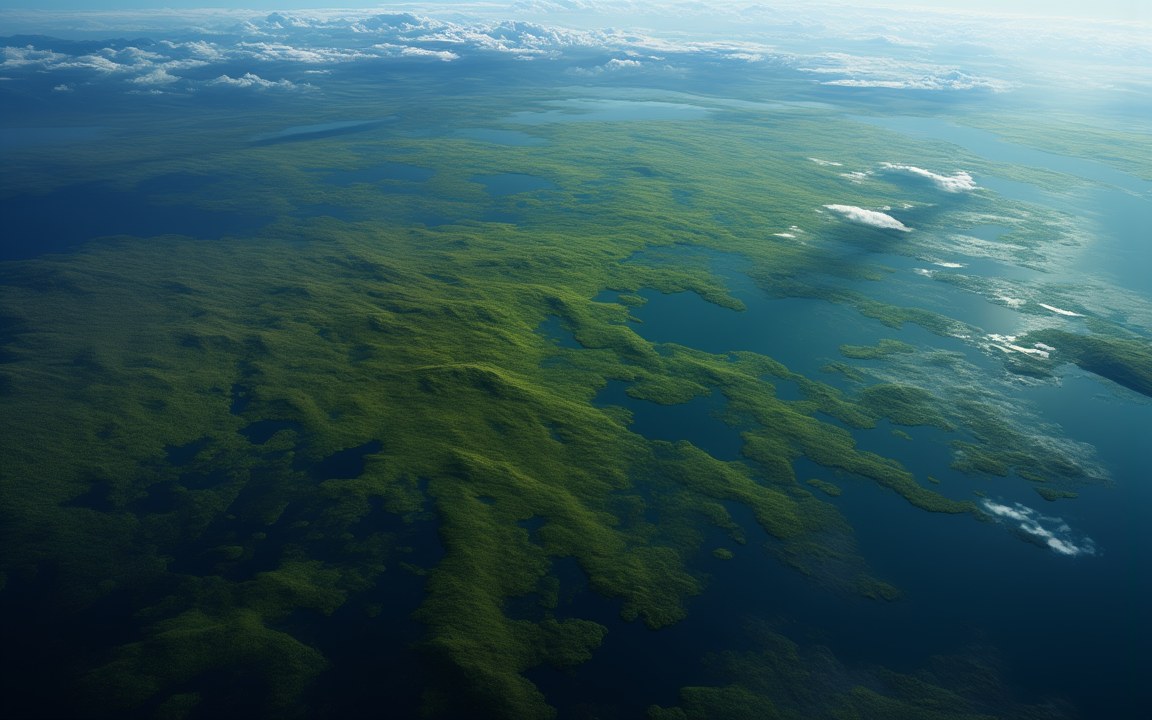
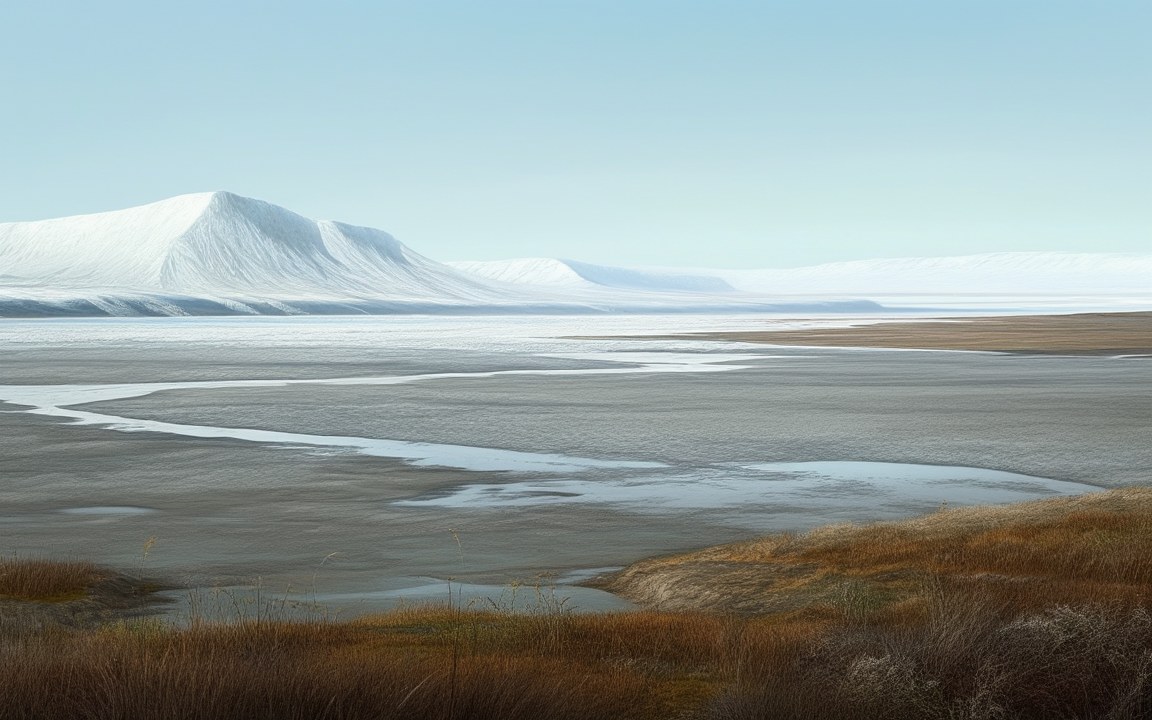
Most mammoths died out between about 14 000 and 10 000 years ago, as the climate warmed and their vast grassland, the mammoth steppe, shrank from about 7.7 million square kilometres 42 000 years ago to about 800 000 by 6 000 years ago. People hunted them too, and how much each factor mattered is still argued. The last bones on the mainland of Siberia are about 9 650 years old. Environmental DNA hints at later survival in the Yukon and on the Taymyr Peninsula, but such DNA can be reworked from older sediments.
Two island populations held on far longer. On St Paul Island, in the Bering Sea, mammoths survived until about 5 600 years ago, when the island’s fresh water ran out. On Wrangel Island, north of Siberia, they lasted until about 4 000 years ago. A 2024 study of 21 genomes found that the Wrangel population had been founded by fewer than ten animals, grew to about 300 breeding animals, and survived for about 6 000 years while slowly purging its most harmful mutations. Why it finally vanished is still a mystery.
Genes from the ice
Frozen mammoths keep surprising researchers. In 2024 a team found that a 52 000-year-old piece of mammoth skin had preserved the three-dimensional structure of its chromosomes, revealing 28 pairs, as in elephants, and genes linked to hair and sweat glands apparently switched off, unlike an elephant’s. In 2025 another team sequenced RNA about 40 000 years old from the famous mammoth Yuka, the oldest RNA ever read, and found that Yuka, long thought to be female, was a male.