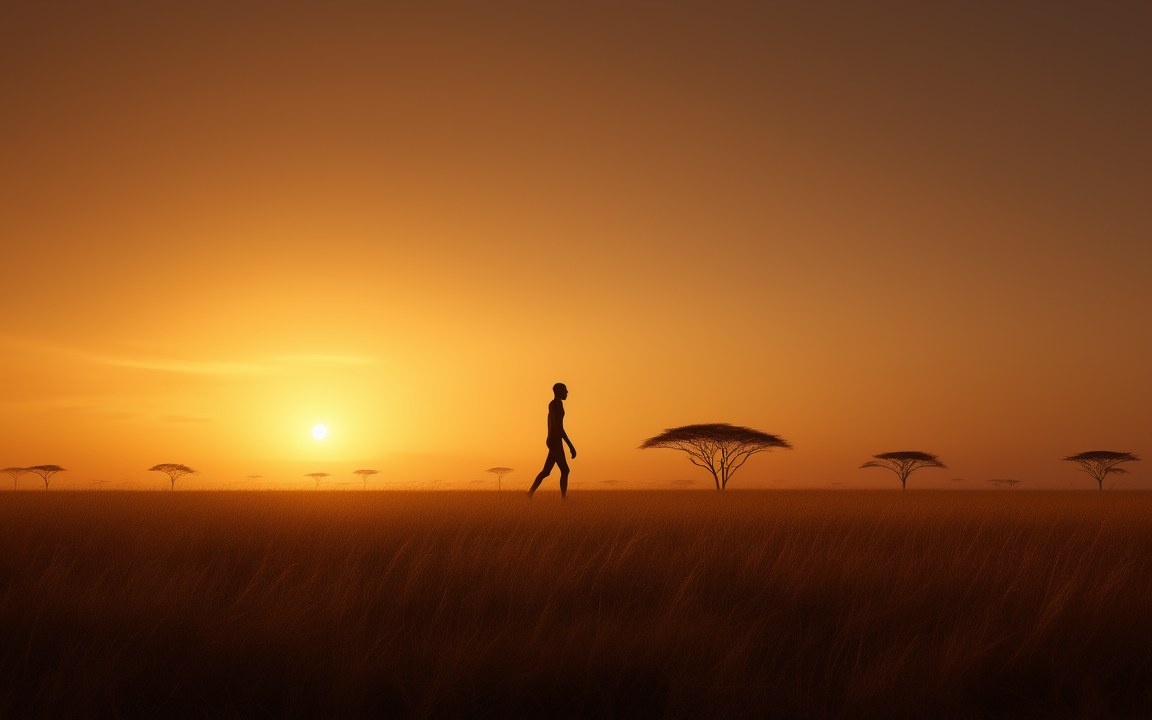
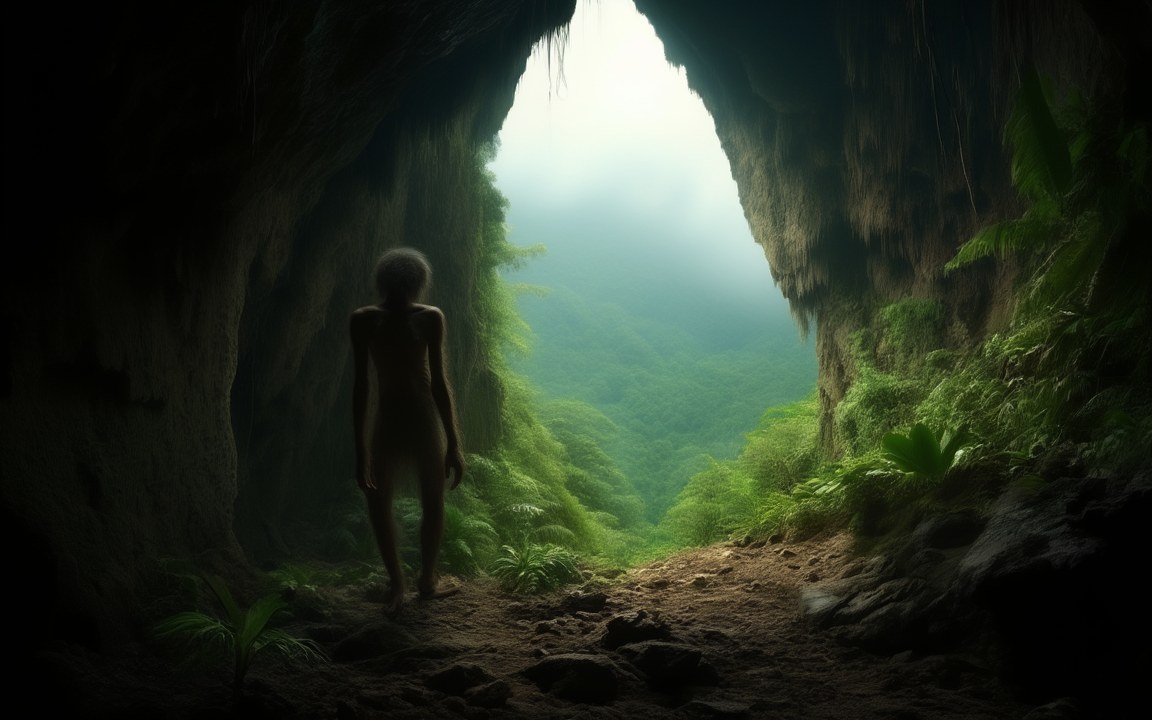
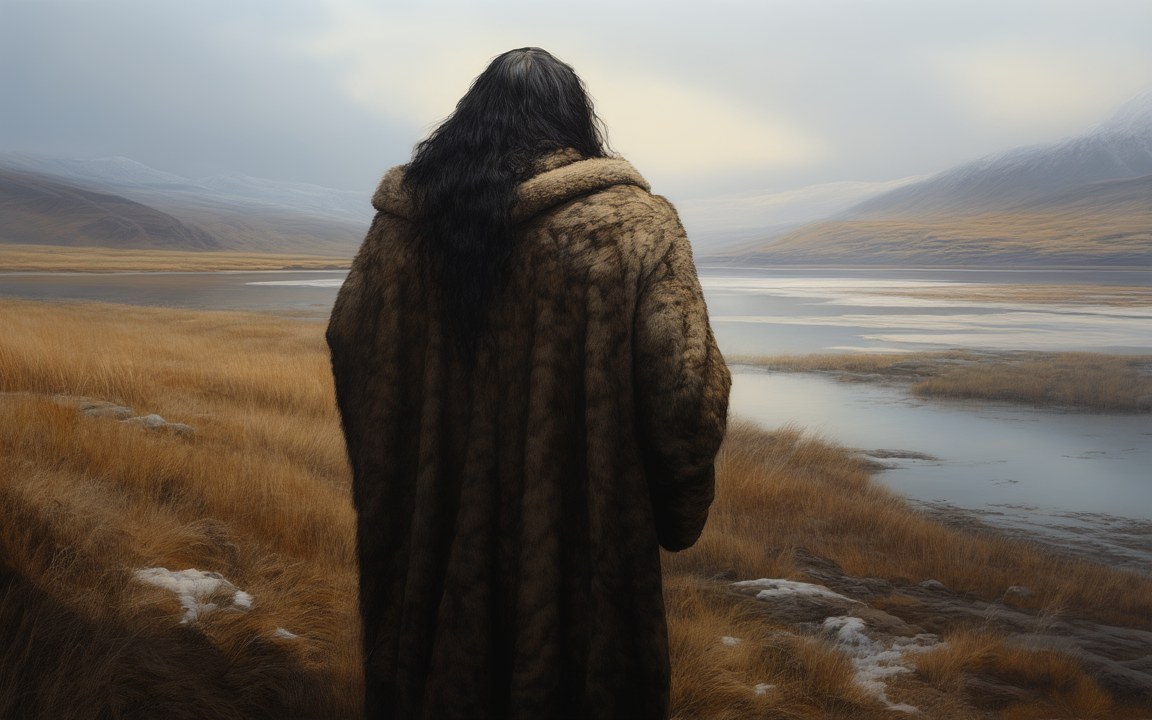
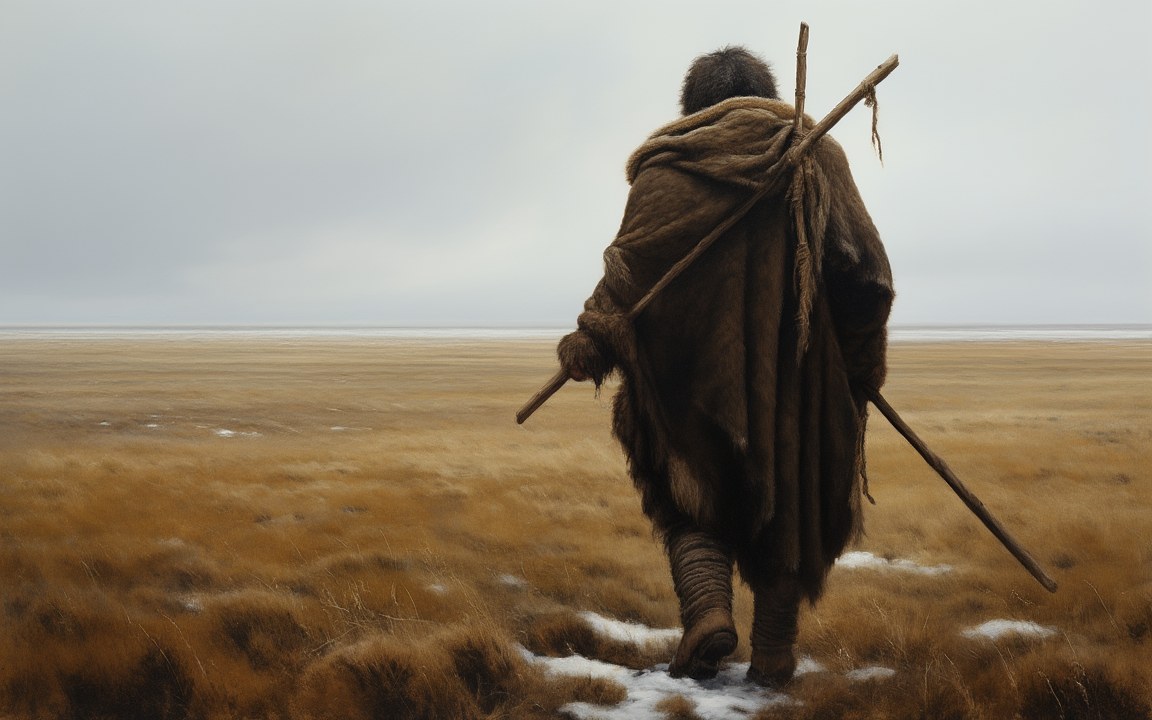
For almost all of human history, we were not alone. Until a few tens of thousands of years ago, several kinds of human relative shared the planet: Neanderthals in Europe and western Asia, Denisovans across eastern Asia, and the tiny Homo floresiensis on an Indonesian island. Further back, Homo erectus walked out of Africa as far as Java, and in East Africa our early relatives shared lakeshores with the big-jawed Paranthropus. Lucy’s species was walking upright more than three million years ago. Further back still, Ardipithecus and Sahelanthropus may be among the earliest members of our family, though how they moved is disputed, and Homo naledi, found deep in a South African cave, shows how much can still turn up.
What we know about them comes from bones, teeth, stone tools, footprints pressed into volcanic ash and, for the more recent ones, DNA. Ancient DNA has shown that people living today carry pieces of Neanderthal and Denisovan genomes. Proteins preserved in tooth enamel have begun to reach further back still, identifying Denisovans among fossils from China and telling the sex of Paranthropus individuals two million years old.
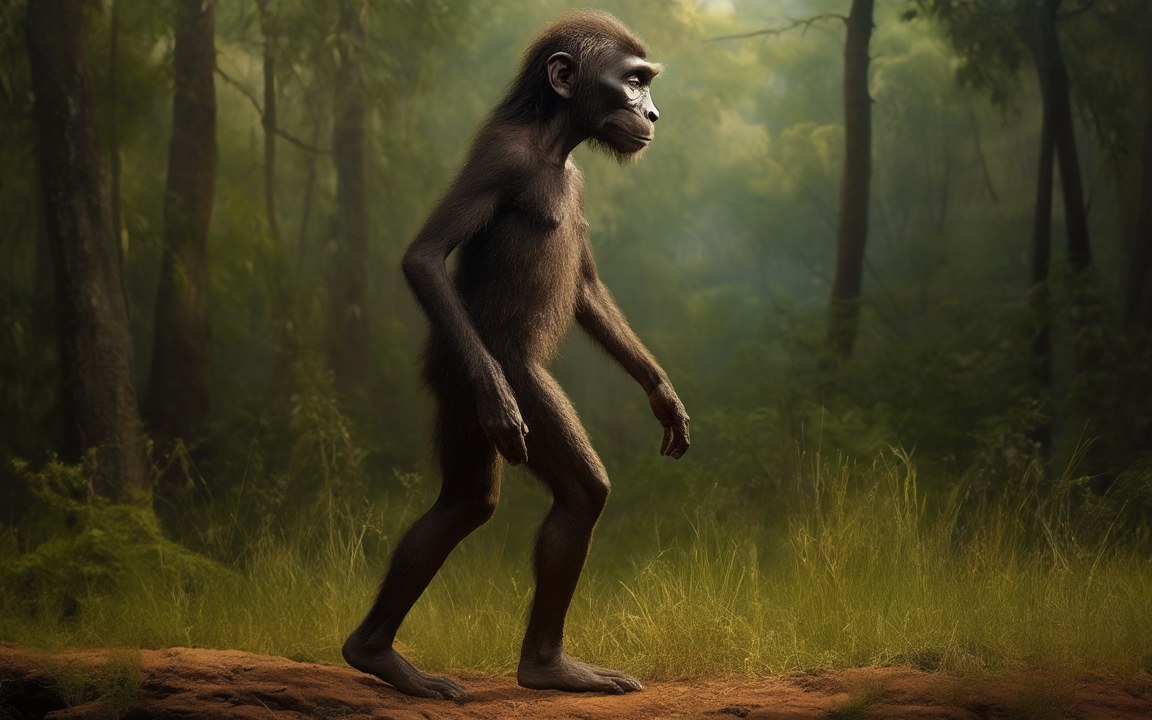
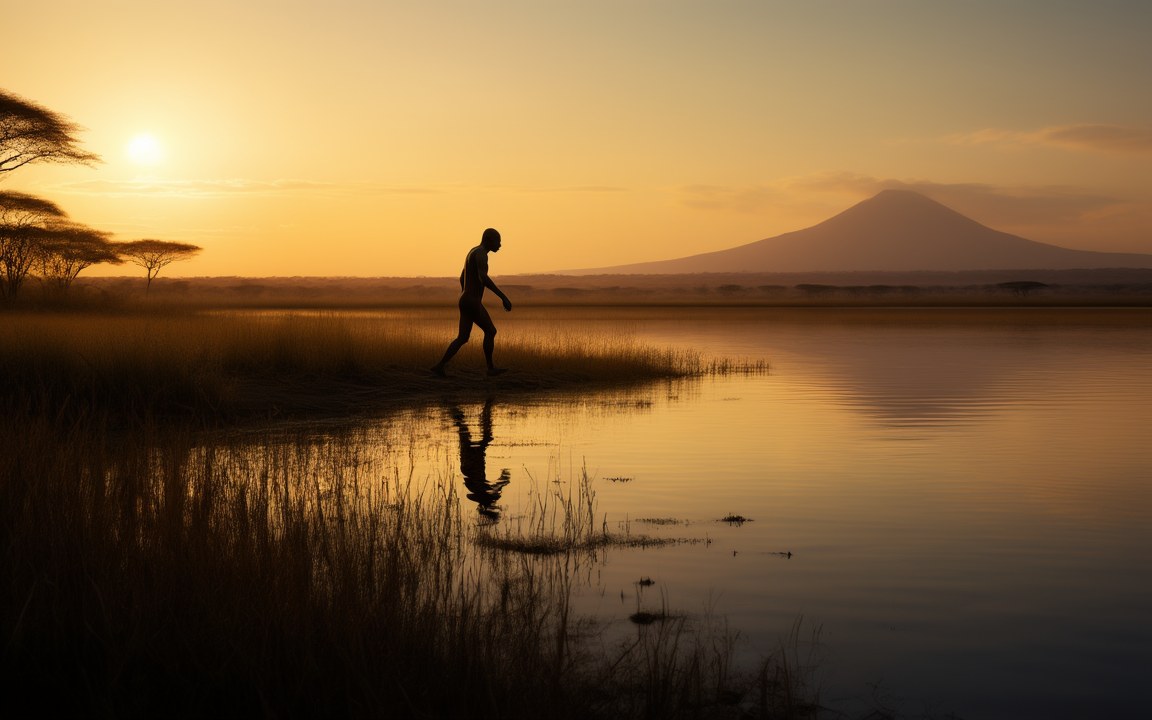
Reconstructing these people needs care. Skulls show the shape of a head, but not the colour of skin or hair, the amount of body hair or the soft tissue of a face. The paintings here mostly show places, tools, footprints and distant figures rather than faces, and the note under the facts on every page says plainly which features are known from the bones and which are guesses.
Where the evidence is disputed, as it often is in this field, the pages say so and give each side.