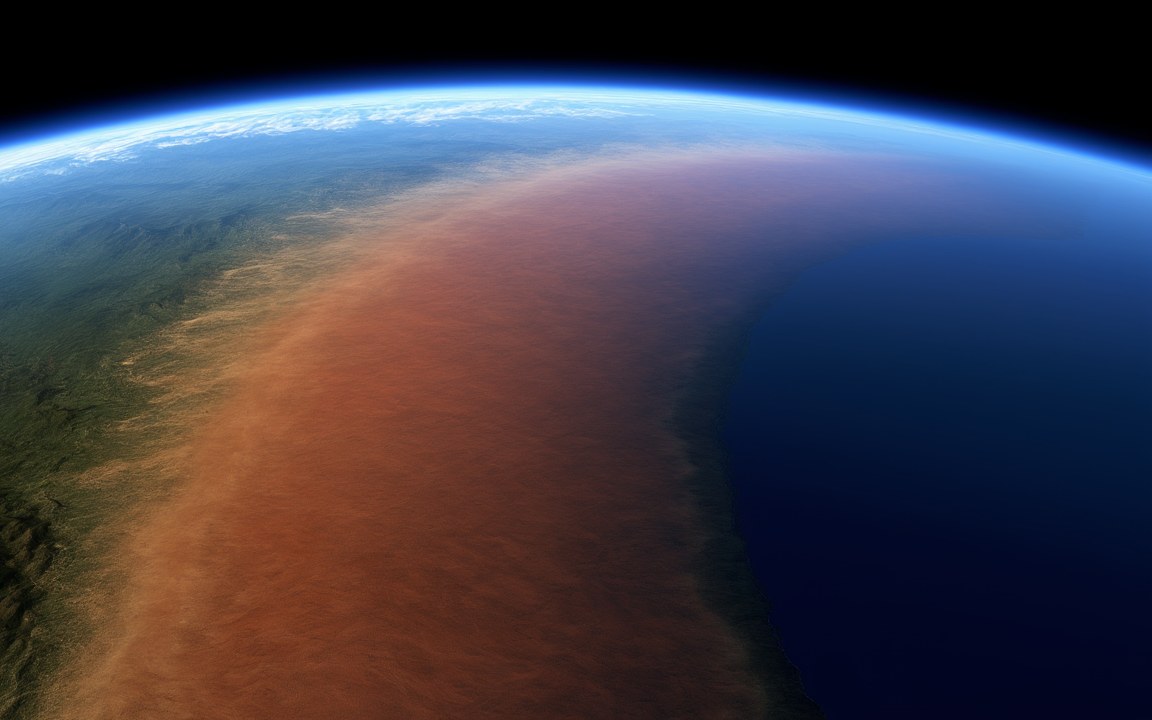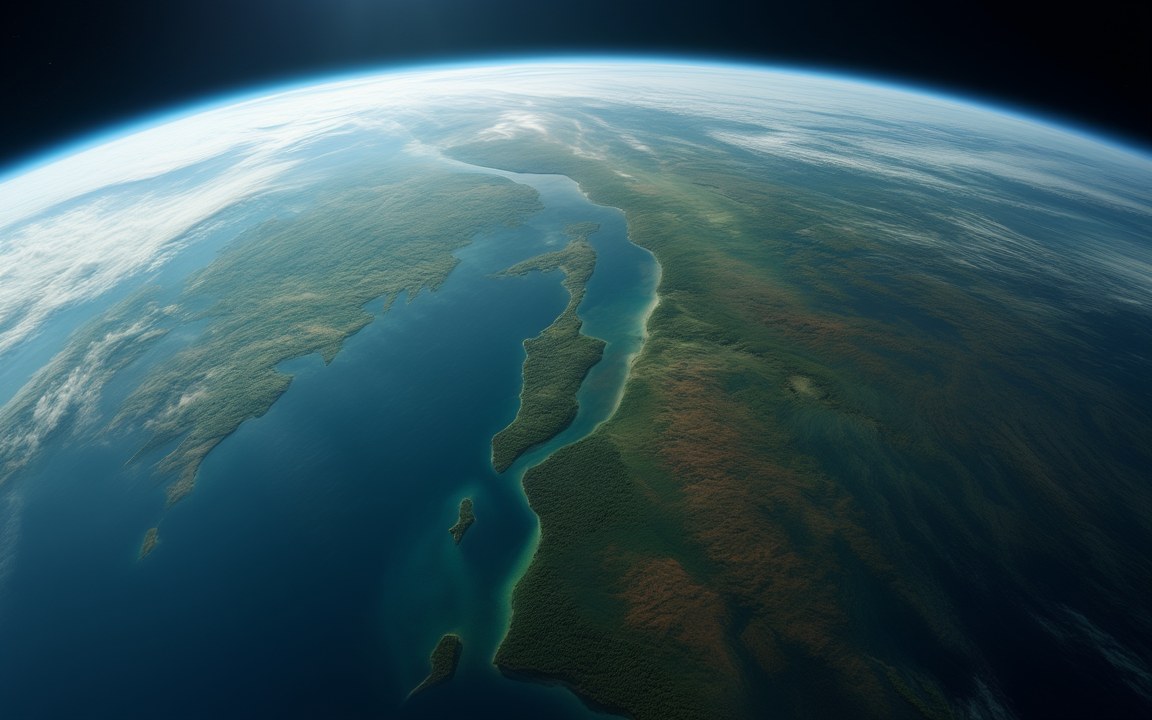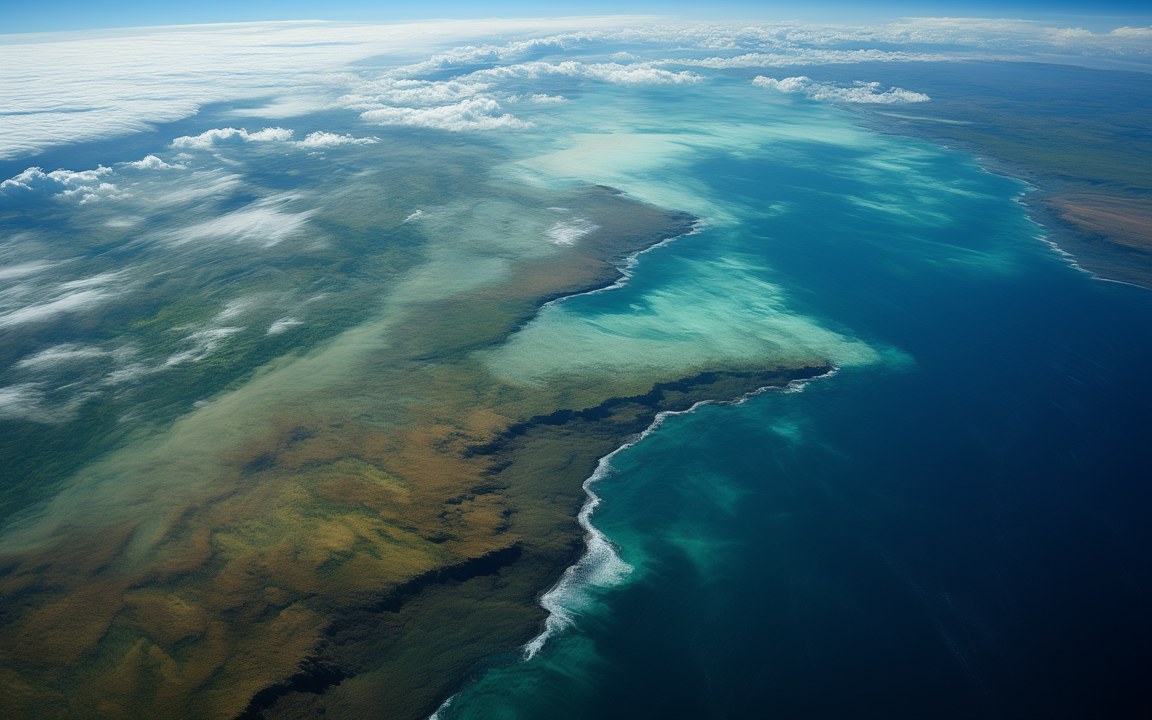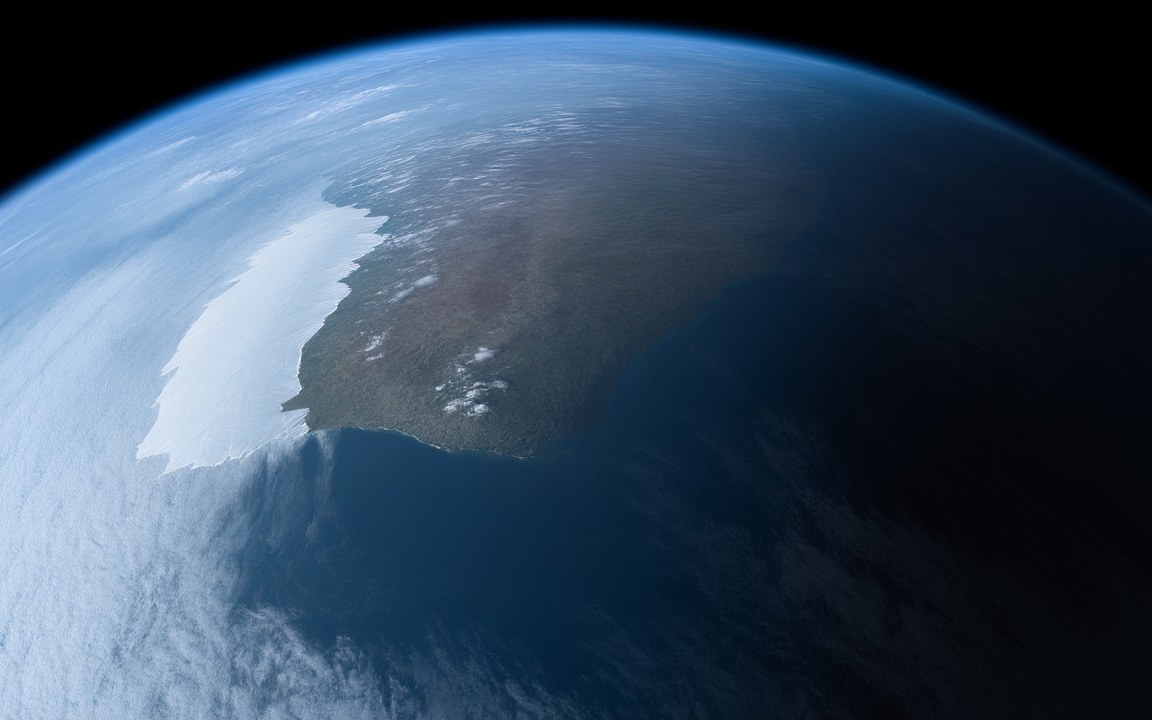
Long before Pangaea, and long after it, there was Gondwana. This great southern continent joined what are now South America, Africa, Antarctica, Australia, India, Arabia and the sunken continent of Zealandia into a single mass of about 100 million square kilometres, roughly a fifth of the surface of the planet. It came together around 600 million years ago, became the southern half of Pangaea for a while, and then broke up piece by piece. About two thirds of the land on Earth today was once part of it.
An ice age in the south
As Gondwana drifted over the South Pole, it froze. From about 360 to 255 million years ago, in what geologists call the Late Paleozoic Ice Age, ice spread from centres in South America, southern Africa, India, Australia and Antarctica. Its deposits, such as the Dwyka rocks of South Africa, are one of the clearest signs that these lands once lay together. Researchers still disagree over whether this was one continuous glaciation or as many as 25 separate ice sheets coming and going.
Life carried on at the cold edges. In 2024 researchers described Gaiasia, a predator about 3 m long, from rocks in Namibia about 280 million years old. It showed that four-limbed animals were already living in the cold, high-latitude parts of Gondwana at that time.
Forests near the pole
After the ice retreated, forests grew where Antarctica now lies, close to the South Pole. The dominant tree was Glossopteris, named from the Greek for “tongue fern” after its long, tongue-shaped leaves. Its trunks could reach 80 cm across. Fossil stumps at Lamping Peak in Antarctica, which grew at about 75 degrees south, belong to forests whose tallest trees averaged 12 to 19 m. Their growth rings stop abruptly, which shows the trees shut down within as little as a month as the polar winter arrived.
The first Antarctic Glossopteris came back with Scott’s last expedition: about 16 kg of fossils were found beside the bodies of the men who had died returning from the pole. In the 2017 to 2018 season, a single team found five new fossil forests, nearly doubling the number known from Antarctica.
The fossil proof
The geologist Suess named Gondwana in 1885, after a region of India where its rocks had first been described, partly because the same Glossopteris leaves turned up across the southern continents. The clinching evidence came much later. In 1969 fossils of Lystrosaurus, a plant-eating animal also known from Africa and India, were found in Antarctica, and the next year a cynodont fossil that matched finds from South America and India. Together they all but confirmed that the continents had once been joined.
Breaking apart
Gondwana began to split about 184 million years ago, after vast eruptions of lava in what is now southern Africa and Antarctica. The pieces left one by one. The seafloor between Madagascar and Africa formed about 150 million years ago, India pulled away from Antarctica and Australia, and Zealandia left West Antarctica about 84 million years ago. The last link, between South America and Antarctica, broke between 34 and 29 million years ago when the Drake Passage opened. Antarctica’s first widespread ice sheets formed about 34 million years ago, and an ocean current began to circle the continent about 23 million years ago.
Some of Gondwana’s landscape survives under that ice. In 2023 radar surveys revealed a river-carved landscape beneath the East Antarctic Ice Sheet, with valleys and ridges covering more than 32 000 square kilometres, shaped before, during and after the breakup and probably preserved under the ice for at least 14 million years.